UAE’s Comprehensive Humanitarian Aid for Gaza: Lifeline Amidst Crisis
UAE Delivers Critical Aid to Gaza: Food, Water, Medical Support, and Financial Contributions

UAE’s Pioneering Humanitarian Support for Gaza: A Lifeline Amidst Unyielding Crisis
The United Arab Emirates (UAE) has consistently demonstrated a profound commitment to international humanitarian efforts, and nowhere is this more evident than in its extensive support for the Gaza Strip. Amidst the unrelenting conflict, economic hardship, and social upheaval, the UAE has stepped forward as a key provider of humanitarian aid, delivering critical resources that have become a lifeline for the beleaguered population. The UAE’s multifaceted initiatives, ranging from massive aid deliveries to long-term infrastructure projects, reflect a strategic and compassionate approach to alleviating the suffering in Gaza and fostering resilience for the future.
Massive Aid Delivery: A Lifeline for Survival
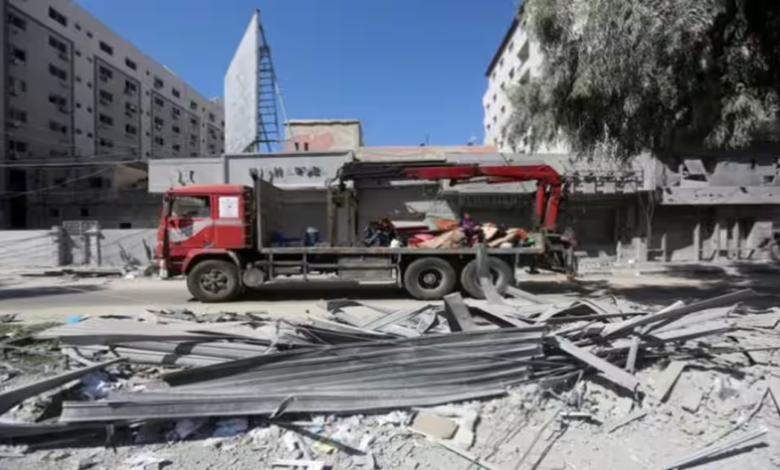
In response to the escalating humanitarian crisis in Gaza, the UAE has mounted one of the largest and most sustained aid operations in the region. Over 40,000 tonnes of urgent supplies have been delivered, underscoring the UAE’s unwavering commitment to addressing the severe shortages of basic necessities that the local population faces daily. This massive logistical undertaking has involved the coordinated use of multiple transport channels, including eight aid ships, 1,271 trucks, and 414 flights, with 104 of these being airdrops aimed at reaching areas cut off by the conflict. These efforts are a testament to the UAE’s ability to mobilize resources quickly and efficiently, often in collaboration with international partners such as USAID. The delivery of 2,176 tonnes of food supplies, along with an additional 300 tonnes distributed specifically in northern Gaza through the Maritime Corridor initiative, highlights the UAE’s focus on ensuring that vital resources reach those in the most desperate need.
The scale and scope of these aid deliveries are not merely reactive measures but are part of a broader, strategic approach to crisis management and relief. The UAE’s efforts have provided not only immediate relief but also a sense of hope and stability to a population that has been living under siege conditions, with limited access to food, medicine, and other essential supplies.
Ensuring Water Supply: Addressing a Fundamental Need
Access to clean water has been one of the most critical issues facing Gaza, where infrastructure has been severely damaged by years of conflict. The UAE has responded to this crisis with a significant investment in water infrastructure, establishing six desalination plants that collectively pump 1.2 million gallons of clean water daily. This initiative benefits over 600,000 residents, providing them with a reliable source of potable water in a region where such resources are scarce and often contaminated.
The UAE’s approach to addressing the water crisis in Gaza is both immediate and sustainable. By building and maintaining desalination plants, the UAE is not only providing a crucial service to the current population but also laying the groundwork for long-term water security in the region. This initiative is particularly important given the ongoing challenges of climate change and water scarcity, which are likely to exacerbate the situation in the years to come.
Boosting Food Security: Sustaining a Nation Under Siege
Food insecurity is a pervasive issue in Gaza, where the ongoing conflict has severely disrupted local agriculture and supply chains. The UAE has responded with targeted interventions designed to ensure that the basic nutritional needs of the population are met. The deployment of five automatic bakeries, which collectively serve approximately 72,000 people daily, has been a critical component of this effort. In addition to these new facilities, the UAE has also provided support to eight existing bakeries, which together cater to the daily needs of an additional 17,140 people.
These initiatives have been instrumental in stabilizing food security in Gaza, where bread is a staple food. By ensuring a steady supply of this essential commodity, the UAE has helped to alleviate the immediate hunger that many families face, while also contributing to the broader goal of food sovereignty in the region. The UAE’s efforts in this area are a clear demonstration of its commitment to addressing both the symptoms and the root causes of food insecurity in Gaza.
Medical Assistance and Health Support: A Lifeline for the Sick and Injured
The healthcare system in Gaza has been overwhelmed by the scale of the crisis, with hospitals and clinics struggling to cope with the influx of patients and the shortage of medical supplies. In response, the UAE has provided substantial medical support, establishing two hospitals to address the immediate and ongoing health needs of the population. The first, a 200-bed field hospital, and the second, a 100-bed floating hospital, have been crucial in providing critical care to those affected by the conflict.
Beyond the establishment of these facilities, the UAE has also facilitated the evacuation of 794 patients and 850 of their family members to UAE hospitals for advanced treatment. This initiative reflects the UAE’s commitment to providing comprehensive healthcare support to those most in need. Furthermore, the implementation of the Comprehensive National System (R100) in Gaza, which facilitates treatment for 1,000 cancer patients and 1,000 sick children, underscores the UAE’s long-term commitment to improving health outcomes in the region. This system is designed to ensure that even the most vulnerable members of society receive the care they need, contributing to the overall resilience of Gaza’s healthcare system.
Financial Contributions and Initiatives: Sustaining Relief Efforts
In addition to its direct aid efforts, the UAE has also made significant financial contributions aimed at supporting various sectors in Gaza. These contributions include $20 million to the United Nations Relief and Works Agency (UNRWA), $15 million to the Amalthea Fund for the Maritime Corridor initiative, $10 million to the World Health Organization (WHO) for health sector support, and $11.7 million to the World Food Programme (WFP) for food relief. These funds have been critical in sustaining ongoing relief efforts and ensuring that the people of Gaza continue to receive the support they need.
The UAE’s financial contributions are complemented by grassroots initiatives such as the “Tarahum for Gaza” campaign, which successfully collected over 71,000 relief packages, and the “Birds of Goodness” campaign, which completed 104 airdrops, delivering 3,450 tonnes of aid. These initiatives reflect the UAE’s comprehensive approach to humanitarian aid, which involves not only government-led efforts but also the active participation of civil society.
International Appeal and Ongoing Efforts: A Call for Global Solidarity
The UAE’s comprehensive approach to humanitarian aid in Gaza is a testament to its commitment to addressing both immediate needs and long-term challenges. As the crisis in Gaza persists, the UAE continues to call on the international community to step up its efforts, urging collective action to alleviate the suffering of the people in Gaza. The UAE’s initiatives not only provide immediate relief but also contribute to building a foundation for sustained support, ensuring that the people of Gaza have the resources and infrastructure necessary to endure and recover from the ongoing crisis.
In conclusion, the UAE’s humanitarian efforts in Gaza are a shining example of how a nation can mobilize resources, expertise, and compassion to address a complex and enduring crisis. Through its comprehensive approach, the UAE has provided a lifeline to the people of Gaza, offering them hope and support in the face of unimaginable hardship. As the situation in Gaza continues to evolve, the UAE remains committed to standing with the people of Gaza, advocating for their needs on the global stage, and working tirelessly to build a better future for all.