Improving Safety: Minimum Speed Limits on Sheikh Mohammed Bin Rashid Road, Abu Dhabi
Enhancing Traffic Flow and Safety in Abu Dhabi with Strategic Speed Regulation

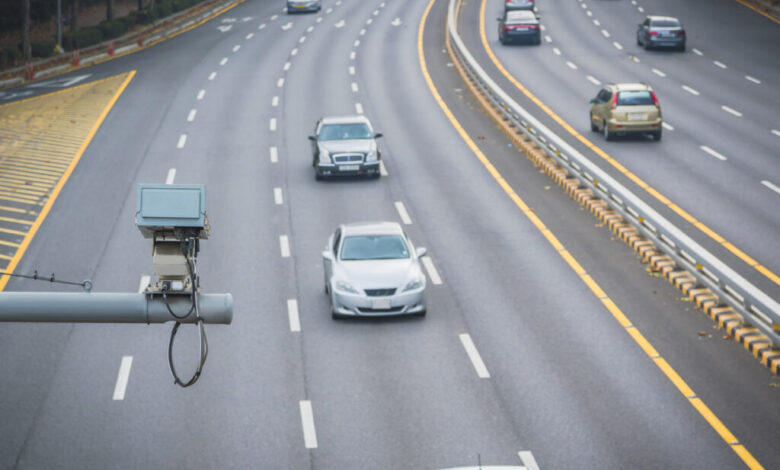
Safer Roads Ahead: Minimum Speed Limit Implemented on Sheikh Mohammed Bin Rashid Road, Abu Dhabi
In April 2023, Abu Dhabi implemented a minimum speed limit of 120 km/h on Sheikh Mohammed Bin Rashid Road, a major highway in the region. This minimum speed limit was introduced to enhance road safety and promote smoother traffic flow. The implementation of minimum speed limits is a proactive measure aimed at reducing congestion, minimizing accidents, and improving overall traffic efficiency. In this comprehensive study, we delve into the significance of minimum speed limits, examine the impact of their implementation on Sheikh Mohammed Bin Rashid Road, and explore strategies for effectively enforcing and managing minimum speed regulations.
Understanding Minimum Speed Limits:
Minimum speed limits are established to ensure that vehicles maintain a safe and consistent speed on highways and major roads. These limits are designed to prevent slow-moving vehicles from impeding the flow of traffic, particularly in fast lanes. By setting a minimum speed threshold, authorities aim to reduce congestion, minimize the risk of accidents, and promote safer driving practices.
On Sheikh Mohammed Bin Rashid Road, the minimum speed limit of 120 km/h applies specifically to motorists using the two fast lanes, namely the first and second lanes from the left. This means that drivers utilizing these lanes are expected to maintain a speed of at least 120 km/h to facilitate smoother traffic flow and minimize disruptions. It applies to traffic in both directions, the Abu Dhabi Police clarified on Monday, January 29. The maximum speed permitted on the highway is 140 km/h, and the minimum speed of 120 km/h applies specifically to motorists using the two fast lanes (the first and second lanes from the left).
Enforcement of Minimum Speed Limits:
Effective enforcement of minimum speed limits is crucial for ensuring compliance among motorists and maximizing the benefits of this traffic management measure. The Abu Dhabi Police have implemented strict penalties for drivers found violating the minimum speed rule. According to the authorities, motorists caught driving below the minimum speed limit will face a fine of Dh400. This penalty serves as a deterrent against slow-moving vehicles obstructing traffic flow on the highway.
It is important to note that the minimum speed rule does not apply to the third and last lanes of Sheikh Mohammed Bin Rashid Road. Motorists driving at a slower pace are permitted to use these lanes without any restrictions. Additionally, heavy vehicles, expected to utilize the last lane of the road, are exempt from the minimum speed requirement. This exemption accounts for the differing capabilities and speeds of various types of vehicles on the road.
Impact on Road Safety and Traffic Efficiency:
The implementation of minimum speed limits on Sheikh Mohammed Bin Rashid Road has had a positive impact on road safety and traffic efficiency. By mandating slow-moving vehicles to drive on the right lanes and yield to faster-moving traffic, the minimum speed rule helps prevent dangerous situations such as tailgating and sudden lane changes. This measure promotes a safer and more orderly traffic flow, reducing the likelihood of accidents and enhancing overall road safety.
Furthermore, the enforcement of minimum speed limits contributes to smoother traffic movement and reduced congestion on the highway. By encouraging vehicles to maintain a steady pace, the minimum speed rule minimizes disruptions and bottlenecks, leading to shorter travel times and improved traffic efficiency for motorists.
Strategies for Effective Implementation:
To ensure the effective implementation of minimum speed limits, several strategies can be employed by traffic authorities. Continuous monitoring and enforcement of speed regulations through the use of automated speed cameras and police patrols are essential for deterring violations and maintaining compliance among motorists. Additionally, public awareness campaigns and educational initiatives can help inform drivers about the importance of adhering to minimum speed limits and the potential consequences of non-compliance.
Moreover, ongoing evaluation and analysis of traffic data can provide valuable insights into the effectiveness of minimum speed regulations and identify areas for improvement. By monitoring traffic flow, congestion levels, and accident rates, authorities can fine-tune minimum speed limits and adjust enforcement strategies to better meet the needs of road users.
The implementation of minimum speed limits on Sheikh Mohammed Bin Rashid Road in Abu Dhabi represents a proactive measure aimed at enhancing road safety and improving traffic efficiency. By mandating a minimum speed of 120 km/h for motorists using fast lanes, authorities seek to promote smoother traffic flow, reduce congestion, and minimize the risk of accidents. Effective enforcement and management of minimum speed regulations are essential for ensuring compliance among drivers and maximizing the benefits of this traffic management measure. Moving forward, ongoing monitoring, evaluation, and adjustment of minimum speed limits will be key to maintaining safe and efficient roadways for all motorists in Abu Dhabi.