New Milestone in India-West Asia Relations
UAE President Sheikh Mohamed's Ahmedabad Outreach Holds Significant Potential


The visit of United Arab Emirates (UAE) President Sheikh Mohamed bin Zayed Al Nahyan to Ahmedabad for the 10th Vibrant Gujarat Summit, alongside Prime Minister Narendra Modi, stands as a monumental event in India’s contemporary history. Sheikh Mohamed’s historic visit marks a significant development in India’s relations with the Gulf nations, especially the UAE, and holds broader implications for diplomatic ties between India and West Asia.
The visit becomes even more noteworthy in the context of Gujarat’s historical significance in hosting world leaders. Iconic images of Chinese President Xi Jinping and PM Modi, former US President Donald Trump at the Narendra Modi Stadium, and the late Japanese Prime Minister Shinzo Abe on the Sabarmati Riverfront have been etched in global memory. These high-profile visits have not only showcased Gujarat’s global appeal but have also positioned the state as a hub for diplomatic engagements.
Of particular significance is the fact that Sheikh Mohamed is the first head of state from a Gulf nation to officially visit Gujarat during Modi’s tenure as Chief Minister and Prime Minister. His role as the chief guest at the Vibrant Gujarat Summit symbolizes a turning point in West Asia’s engagement with India, transcending mere economic considerations. The presence of a Gulf leader at such a prominent platform underscores the growing importance of Gujarat in India’s diplomatic landscape.
The visit serves as a vital bridge between nations, reminiscent of Israel’s Prime Minister Benjamin Netanyahu’s successful visit to Ahmedabad in 2018. Netanyahu’s visit, marked by camaraderie with Modi and a vibrant display of cultural exchange, set the stage for enhanced bilateral ties. The potential for long-term benefits from such high-profile engagements is substantial, especially considering the significant Gujarati diaspora in the Gulf, which has played a pivotal role in shaping economic and cultural linkages between India and the UAE.
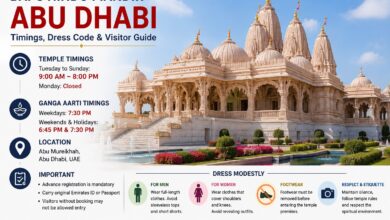
The forthcoming Swaminarayan Hindu Mandir in Abu Dhabi, largely a Gujarati initiative, further underscores the community’s impact. This landmark temple not only reflects the rich cultural heritage of Gujarat but also signifies the diaspora’s commitment to fostering strong cultural and spiritual ties between India and the UAE. The temple’s inauguration is poised to be a symbol of religious harmony and a testament to the deep-rooted connections between the two regions.
Beyond economic ties, Sheikh Mohamed’s outreach emphasizes the importance of engaging with Gandhinagar at the highest levels. It signifies a strategic alignment between the Gulf nations and Gujarat, extending beyond business to foster a deeper connection. In the broader context of India’s diplomatic legacy, this event draws parallels with Iranian President Ali Akbar Hashemi Rafsanjani’s visit to Lucknow in 1995, highlighting India’s secularism.
Historically, diplomatic initiatives have influenced geopolitical dynamics, exemplified by Iran’s support for India during the UNHRC session in 1994. The engagement with Iran opened doors in West Asia, impacting relations with other regional players. Similarly, Sheikh Mohamed’s outreach holds immense potential, underlining the multifaceted impact of diplomatic endeavors on geopolitical landscapes.
As India navigates West Asian geopolitics, such diplomatic milestones play a crucial role in shaping alliances and fostering deeper understanding between nations. Sheikh Mohamed’s visit to Ahmedabad is not just a symbolic gesture; it signifies a strategic shift in diplomatic relations, contributing to the evolving dynamics in India’s engagement with the Gulf nations. The multifaceted impact of this visit is a testament to the shared values, cultural affinities, and economic synergies that bind Gujarat and the Gulf, paving the way for a new chapter in bilateral relations.