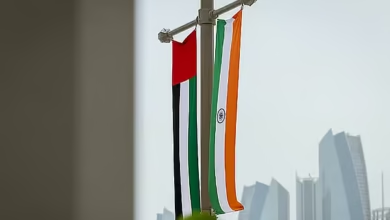
UAE Willing to Join Multinational Force in Gaza
UAE ready to join Gaza stabilization force under U.S. leadership, pending PA invitatio

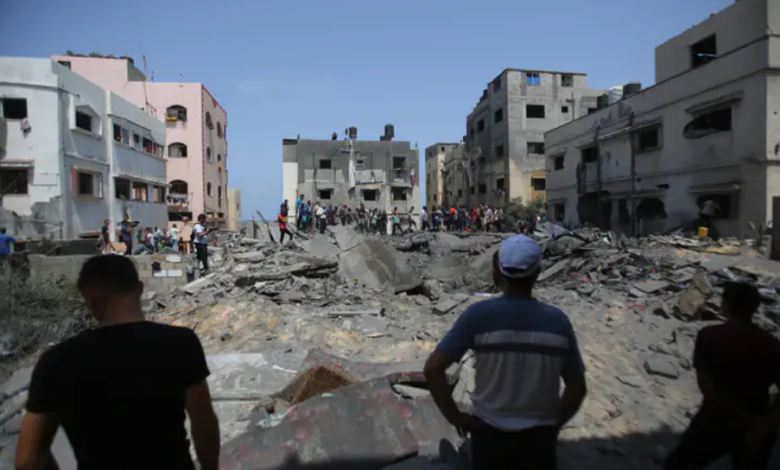
UAE Willing to Join Multinational Force in Gaza
The United Arab Emirates (UAE) has expressed its readiness to contribute military or police forces to a multinational stabilization initiative for Gaza, provided that the United States leads this effort and supports steps towards establishing a Palestinian state, as reported by the Financial Times. This position marks a notable shift, as the UAE becomes the first nation to indicate it could deploy forces to Gaza following the cessation of Israel’s current conflict with Hamas.
UAE’s Position and Potential Role
The UAE’s willingness to participate in a multinational force reflects a significant commitment to postwar stabilization efforts in Gaza. The country has specified that its involvement would hinge on a U.S.-led initiative and would require an invitation from the Palestinian Authority (PA). The PA, which governs parts of the West Bank, would need to be reformed or led by an empowered prime minister for the UAE to consider its participation. Lana Nusseibeh, the UAE’s special envoy to the foreign ministry, articulated this stance by saying, “The UAE could consider being part of the stabilization forces alongside Arab and international partners … at the invitation of a reformed PA, or a PA led by an empowered prime minister. The United States should have the lead on this for it to succeed.”
International and Regional Context
The UAE’s position is part of a broader international and regional effort to address Gaza’s urgent humanitarian and reconstruction needs following the recent escalation of conflict. The United States has been actively encouraging Arab states to contribute to a postwar multinational force for Gaza. Despite this, the U.S. itself is not expected to deploy American forces for this mission. The involvement of countries like the UAE is crucial for the success of such a multinational initiative.
Nusseibeh highlighted the UAE’s ongoing discussions with regional actors about planning for the period after the conflict, known as the “day after.” This reflects the UAE’s proactive engagement in shaping future strategies for Gaza and demonstrates its commitment to stabilizing the region.
Regional Dynamics and Relations
The UAE, which established diplomatic relations with Israel in 2020 through the Abraham Accords, has maintained communication with the Israeli government throughout the conflict with Hamas. The Times of Israel reported that both the UAE and Egypt are prepared to participate in an Arab security force to manage Gaza’s postwar situation. Morocco, which also normalized relations with Israel in 2020, is considering joining the multinational effort.
Egypt’s geographical proximity to Gaza and its shared border with the territory, combined with Morocco’s recent diplomatic moves, place these countries in key positions for involvement in Gaza’s stabilization. Israeli Prime Minister Benjamin Netanyahu has publicly rejected the creation of a Palestinian state and has indicated that Israel will maintain overall security control in Gaza, excluding the PA’s presence.
The UAE’s willingness to contribute to a multinational force in Gaza represents a significant and proactive step in the international community’s efforts to stabilize and reconstruct the region post-conflict. This initiative highlights the UAE’s commitment to addressing the humanitarian and security challenges in Gaza while also reflecting the complex interplay of regional and international interests. The UAE’s role, along with that of other Arab and Western nations, will be crucial in shaping Gaza’s future and fostering stability in the region.