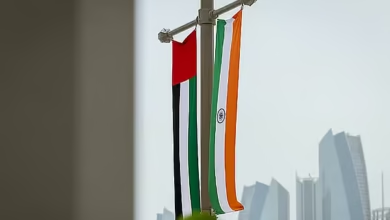
India-Pakistan Tensions Rise After Pahalgam Attack: Muslim Nations Choose Neutrality Over Solidarity
Muslim nations prioritize diplomacy and trade, avoid siding with Pakistan on Kashmir


India-Pak Tensions After Pahalgam Attack: Muslim Nations Opt for Diplomacy, Not Siding with Pakistan
Tensions between India and Pakistan have escalated following the deadly terror attack in Pahalgam that claimed 26 lives. However, despite their religious ties with Pakistan, most Muslim-majority countries opt for strategic neutrality, prioritizing economic and geopolitical interests over emotional or religious solidarity.
Countries like Saudi Arabia, the UAE, and Qatar—deeply tied to India through trade, labour, and energy—have refrained from openly supporting Pakistan. These Gulf nations view Kashmir as a bilateral issue and are focused on preserving their strong economic relationships with India. Saudi Arabia has avoided controversial positions and considers India an important economic partner under its Vision 2030 strategy. In addition, Qatar has remained neutral, prioritizing stability over political ties.
Despite expressing concerns over the suspension of the Indus Waters Treaty, the UAE has not offered support to Pakistan and still values its $85 billion trade with India.
To protect its commercial and geopolitical interests, especially the Chabahar Port project with India, Iran has offered to mediate rather than support Pakistan. Turkey, which was a strong supporter of Pakistan on the Kashmir issue due to its growing trade relations with India, has now adopted a more cautious stance. Ankara has also refused to supply weapons to Pakistan, marking a shift to a more neutral stance.
Overall, Islamic countries are aligning their positions based on long-term national interests, economic partnerships, and regional stability.
Keywords: India-Pakistan tensions, Pahalgam attack, Muslim countries, Gulf countries, Saudi Arabia, UAE, Qatar, Iran mediation, Turkey India trade, Kashmir dispute.