Dubai’s red-hot property market is bracing a slowdown
Dubai boom driven by wealthy investors, Russians, crypto millionaires, and rich Indians, attracted by government's pandemic response and flexible visas

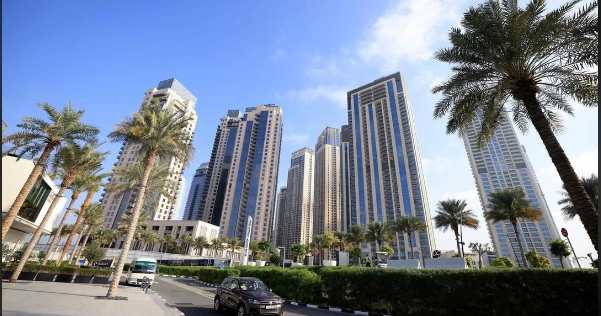
In just nine months since purchasing their first property in Dubai, Dina Habib and Karim Yusuf are contemplating a move within the city. The Egyptian couple, formerly renters in Dubai for eight years, is now selling their two-bedroom apartment in the Jumeirah Village Circle district for a 26% profit over the 1.7 million dirhams ($460,000) they paid in March. They aim to secure a larger property for their family for the same price or less.
The couple is part of a wave of homeowners navigating Dubai’s red-hot housing market, which has outperformed global counterparts. The market has been fueled by an influx of wealthy investors, including Russians safeguarding assets, crypto millionaires, and rich Indians seeking second homes. Government pandemic management and liberal visa policies have also attracted foreign buyers.
Despite the surge, Habib and Yusuf, like many others, are speculating on a potential market peak and plan to sell now with the hope of purchasing a house with a garden next year at a lower price. However, experts caution that such a strategy is risky, emphasizing Dubai’s history of sharp market fluctuations.
Property advisory firm CBRE Group Inc. reports a 42% increase in rentals and a 33% jump in home prices in Dubai since January 2020. Villa rentals, in particular, have seen substantial increases, averaging $88,400 a year. Faced with rising rents, tenants like Habib are increasingly turning to property ownership.
Dubai’s property market, known for its boom-and-bust cycles, experienced a significant downturn in 2009 and another slump in 2014 after an oil price collapse. The government has since implemented reforms to stabilize the market, including raising required down payments for mortgages to 20%.
While some analysts predict a moderation in price increases, there is little evidence of a slowdown in the current market. Traffic congestion, long waiting lists for clubs, and a 12% increase in student enrollments this year indicate sustained demand. However, concerns are emerging, with Morgan Stanley anticipating a less booming market in 2024.
The average rent increase in November, at 19.2%, was slightly lower than October’s 19.7%, signaling a potential cooling in some popular neighborhoods. Property transactions fell 13% in November, primarily due to a 26.4% drop in off-plan sales. Existing home sales, however, rose 5.1% that month.
Developers are also adjusting to the changing landscape, with expectations of 40,000 properties to be delivered in Dubai next year. This represents a significant increase compared to previous years, prompting developers to shift their focus to earnings growth.
Dubai’s real estate market remains dynamic, with uncertainties about future trends. While some experts anticipate price moderation, others, including prominent developers like Mohamed Alabbar and Hussain Sajwani, express caution, recognizing the historical volatility of Dubai’s property market.