UAE Ministry of Health earns EFQM Diamond Membership for excellence
MoHAP's EFQM recognition marks a key step in boosting healthcare quality, innovation, and sustainability in the UAE

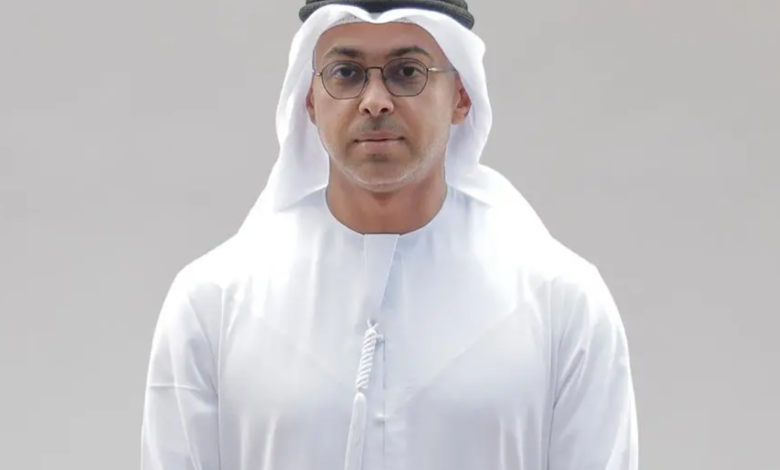
UAE Ministry of Health and Prevention Awarded EFQM Diamond Membership for Excellence in Governance and Innovation
Dubai, UAE:
The European Foundation for Quality Management (EFQM) has awarded the UAE Ministry of Health and Prevention (MoHAP) Diamond Membership in a historic acknowledgement of its continuous efforts to achieve institutional excellence and healthcare innovation. As the highest membership level granted by the EFQM, it represents excellence in quality, leadership, and governance on a global scale.
More than merely an international honor, this esteemed recognition reflects MoHAP’s unwavering dedication to revolutionizing the UAE’s healthcare industry with cutting-edge innovation, sustainable initiatives, and international best practices. Additionally, the accomplishment is in line with the country’s goal of excellence in public service delivery and government.
Taking a step forward in strategic development
By achieving EFQM Diamond membership status, MoHAP has access to top-notch resources, cutting-edge performance improvement methodologies, and a vast global network of quality experts. The ministry’s ability to meet its strategic goals for 2022–2026 – innovation, patient-centered care, and long-term health sustainability – is expected to be greatly accelerated by these benefits.
MoHAP is now able to participate in international quality forums and benchmarking opportunities due to its membership, which places it among the world’s top institutions setting the bar for excellence in public health services.
Strengthening governance and organizational performance
The EFQM model’s structured approach to governance is one of its key benefits; it helps MoHAP improve the efficiency, effectiveness, and transparency of its operations. By incorporating the EFQM framework, the ministry can optimize resource allocation, accelerate service delivery, and implement continuous improvement initiatives that benefit the public.
In addition, the model supports MoHAP’s efforts to build a more resilient healthcare system that can adapt to new demands and constraints in the future.
Promoting innovation, training and national talent
Diamond membership opens new doors for capacity building and capacity development. The Ministry hopes to develop a new generation of healthcare administrators and professionals with a better understanding of quality and innovation through specialized training and institutional development programs.
In addition, by encouraging the adoption of more intelligent and sustainable healthcare models, it enhances the Ministry’s culture of innovation. These models aim to enhance the overall patient experience by offering top-notch services that are customized to meet the various needs of the populace.
Driving Long-Term Impact
A core benefit of the Diamond Membership is its emphasis on measurable, value-driven outcomes. MoHAP is committed to using this framework not just to elevate internal performance, but to create meaningful results that enhance the well-being of the entire UAE community.
This includes advancing healthcare innovation, improving the quality of life, and creating a customer-focused approach that ensures real impact and satisfaction.
Global Collaboration for Excellence
The director of MoHAP’s Strategy and Future Department, Saqr Al Hemeiri, emphasized that this achievement is in line with the ministry’s long-term goal of being a world leader in healthcare quality. In order to exchange best practices, carry out benchmarking research, and promote advancements in all institutional domains, he underlined that MoHAP will collaborate closely with international partners.
There is currently a thorough plan in place to take full advantage of Diamond Membership’s advantages. This entails starting initiatives for institutional development, hosting events for information sharing, and giving ministry employees extensive training.
International Recognition of Excellence
Russell Longmuir, CEO of EFQM, praised the ministry for its innovative and strategic approach to healthcare development. Achieving Diamond Membership, he said, demonstrates MoHAP’s longstanding commitment to creating a healthcare system that is innovative, significant, and long-lasting.
“This recognition not only places MoHAP among the top global institutions but also reinforces its role in shaping the future of healthcare in the region and beyond,” Longmuir stated.
Understanding EFQM’s Role in Excellence
The European Foundation for Quality Management is a globally recognized authority in quality assurance and institutional development. It offers an integrated management framework that enables organizations to assess performance, pinpoint areas for growth, and craft action plans for achieving excellence.