India-UAE Trade Pact: GTRI Flags Concerns Over Precious Metal Imports
Think tank raises concerns over revenue losses and impact on domestic jewellery industry due to duty-free imports under CEPA

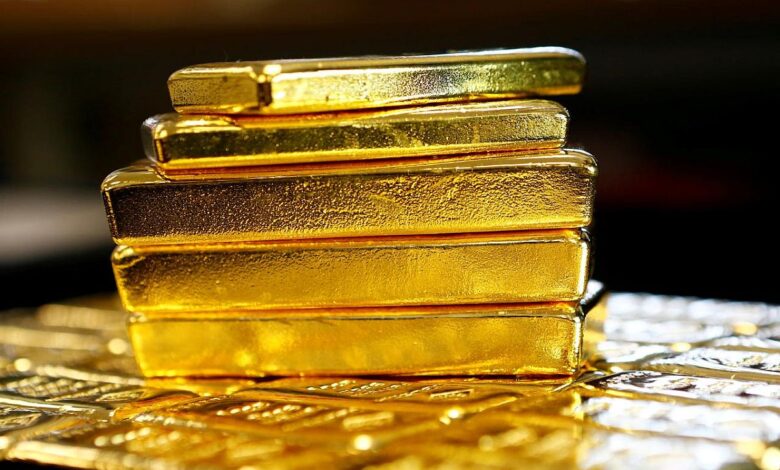
GTRI Raises Concerns Over Precious Metal Imports Under India-UAE Trade Pact
New Delhi, July 16 (PTI) – Think tank Global Trade Research Initiative (GTRI) has raised serious concerns about the surge in imports of precious metals from the UAE under a free trade agreement, calling for an investigation into the matter. This spike in imports is impacting the domestic jewellery industry and leading to potential annual revenue losses.
GTRI highlighted that by addressing these issues, authorities can ensure the integrity of import practices, safeguard domestic industries, and prevent significant revenue losses.
Concerns Over India-UAE CEPA
Seeking an urgent review of the India-UAE Comprehensive Economic Partnership Agreement (CEPA), GTRI pointed out that the agreement allows unlimited imports of gold, silver, platinum, and diamonds from the UAE into India with zero tariffs in the coming years. This policy is projected to cause significant “annual revenue losses, move import business from banks to a few private traders, and replace top suppliers with Dubai-based firms,” according to their report.
“The zero-tariff policy under CEPA is projected to cause an annual revenue loss of Rs 63,375 crore due to duty-free imports of gold and silver, based on FY2024 import levels,” GTRI stated. Additionally, the think tank warned that this will disrupt the domestic diamond and jewellery industry, with major imports coming from Gift City, which has transparency issues.
Specific Concerns About Import Practices
Currently, gold can be imported from Dubai at a 5 percent duty, but this will drop to zero in three years if the alloy contains 2 percent platinum. Similarly, silver imports from the UAE have surged due to an 8 percent duty under CEPA, compared to a 15 percent duty in general, resulting in a significant tariff arbitrage.
GTRI noted that “CEPA tariff concessions are hurting India’s jewellery industry, with gold jewellery imports from the UAE increasing due to lower tariffs.” Furthermore, the zero tariffs on cut and polished diamonds under CEPA threaten India’s domestic diamond industry, which currently benefits from zero duty on rough diamonds and a 5 percent duty on cut and polished diamonds.
An email query sent to the commerce ministry on the report did not elicit any response.
Rules of Origin Concerns
GTRI also claimed that many imports do not meet the Rules of Origin conditions and hence do not qualify for concessions, raising the “strong possibility of money laundering.” The value addition process for silver imports is questionable, with concerns about money laundering. This has led to a shift of silver imports from Indian ports to GIFT City exchange to benefit from concessional tariffs.
Recommendations for Audit and Review
Regarding imports routed through GIFT City, GTRI Founder Ajay Srivastava suggested that there should be a Comptroller and Auditor General (CAG) audit to investigate pre-arranged deals and invoice manipulation. He explained that the trade pact contains provisions that allow unlimited imports of duty-free gold, silver, platinum, and diamonds into India over the next few years.
CEPA allows unlimited import of gold from Dubai at a 5 percent duty now and at zero tariff in the next three years if the imported metal contains just 2 percent platinum and 98 percent gold. Platinum worth USD 1.2 billion was imported from Dubai in FY2023.
Impact on the Jewellery Industry
“The tariff concessions under CEPA will significantly hurt India’s jewellery industry,” GTRI emphasized. Under the India-UAE CEPA, India agreed to reduce tariffs on gold jewellery by one percent each year, from 20 percent to 15 percent over five years, with a tariff rate quota (TRQ) or import limit of 2.5 tonnes.
The zero tariff on cut and polished diamonds under CEPA will “significantly harm” the Indian diamond industry. Currently, India imports rough diamonds, which are then cut and polished domestically before being exported. To promote this local industry, India imposes zero duty on rough diamonds and a 5 percent duty on cut and polished diamonds. However, under CEPA, cut and polished diamonds can be imported at zero duty if they meet a 6 percent value addition in Dubai.
Concerns Over Silver Imports
The import surge in silver is driven solely by tariff arbitrage. “Most imports do not meet Rules of Origin conditions and hence do not qualify for concessions,” Srivastava claimed. To supply silver granules to India, Dubai firms import silver bars from Russia and other countries, convert them into granules, and claim a 3.5 percent value addition in this process. Less than 0.5 percent value addition accrues in this process.
Srivastava pointed out that the whole operation is problematic because silver bars command a higher price than silver granules of the same purity in the market. Silver bars are preferred for investment due to their standardized shapes and sizes, making them easier to trade. In contrast, granules are less common and may be trickier to find buyers for.
Import Practices Through GIFT City
“Since December 2023, all silver imports from Dubai at concessional tariffs have been cleared through the customs at GIFT City exchange,” Srivastava noted. The key concern is how imports cleared through GIFT City meet the Rules of Origin requirements specified in the India-UAE agreement when importers from other ports fail to meet these.
Conclusion
The GTRI’s concerns underscore the need for a comprehensive review of the India-UAE CEPA and its impact on the domestic jewellery and precious metals industry. The think tank’s recommendations for stricter oversight and audits aim to safeguard India’s economic interests and ensure fair trade practices. Authorities must address these issues promptly to prevent significant revenue losses and protect domestic industries from unfair competition.