Sheikh Mohammed bin Rashid Al Maktoum Celebrates 75th Birthday: A Legacy of Visionary Leadership
Honoring the Achievements of Dubai's Ruler and His Impact on the UAE's Transformation

Sheikh Mohammed bin Rashid Al Maktoum Celebrates 75th Birthday: A Legacy of Leadership and Vision
Sheikh Mohammed bin Rashid Al Maktoum, born on July 15, 1949, celebrates his 75th birthday. Raised in the Al Maktoum family home in Shindagha on the banks of Dubai Creek, Sheikh Mohammed’s early life was rooted in the rich cultural and historical traditions of Dubai.
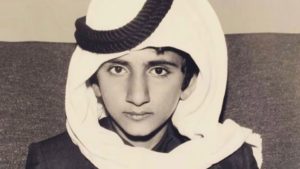
Early Education and Training
From the age of four, Sheikh Mohammed was tutored privately in Arabic and Islamic studies. Two years later, he began his formal education. His early years were marked by a strong foundation in both religious and secular studies, which set the stage for his future roles in leadership.
Military Training and Early Achievements
Sheikh Mohammed’s formal education continued at the Mons Officer Cadet School in Aldershot, UK, now part of the Royal Military Academy Sandhurst. He emerged as the top Commonwealth student, demonstrating exceptional leadership and academic prowess. He then proceeded to Italy for pilot training, further expanding his skills and experiences.
At the age of 19, in 1968, Sheikh Mohammed became the world’s youngest defence minister. He was appointed head of the Dubai Police and Public Security force, a significant role that marked the beginning of his long and distinguished career in public service.
Formation of the UAE and Ministerial Roles
In 1971, following the formation of the UAE, Sheikh Mohammed was appointed the nation’s first Minister of Defence, a role of immense importance. His son, Sheikh Hamdan, now carries out this crucial role, continuing the family’s legacy of service and leadership.
Mentorship and Family Influence
While Sheikh Mohammed received substantial training and education overseas, the guidance and mentorship from his father, Sheikh Rashid bin Saeed, in the Emirates played a crucial role in his development. The wisdom and leadership qualities imparted by his father were vital in shaping his approach to governance and development.
Ascension to Leadership
Following the death of his father in October 1990, Sheikh Mohammed’s elder brother, Sheikh Maktoum bin Rashid, succeeded as the ruler. Sheikh Mohammed was appointed Crown Prince in 1995, positioning him as the next in line for leadership.
In 2006, Sheikh Mohammed became the Ruler of Dubai after the unexpected death of Sheikh Maktoum during a visit to Australia. Since then, he has been a driving force behind Dubai’s remarkable transformation and growth.
Transformative Projects and Initiatives
Sheikh Mohammed’s tenure has been marked by several landmark projects and initiatives that have propelled Dubai onto the global stage. He oversaw the opening of the world’s tallest tower, Burj Khalifa, in 2010, a symbol of Dubai’s ambition and architectural innovation. He also launched Dubai Mall, one of the largest shopping malls in the world, and the Dubai Metro rail network, which has revolutionized public transportation in the city.
In addition to these infrastructural achievements, Sheikh Mohammed established the Mohammed bin Rashid Space Centre, positioning Dubai as a significant player in space exploration and research.
Population Growth and Economic Development
Under Sheikh Mohammed’s leadership, Dubai’s population has soared from 1.7 million in 2009 to over 3.7 million today. This rapid growth reflects Dubai’s status as a leading destination for living, working, and conducting business. The city’s dynamic economy, coupled with its strategic initiatives and forward-thinking policies, continues to attract talent and investment from around the world.
A Visionary Leader
Sheikh Mohammed’s 75th birthday is not just a celebration of his life but also a recognition of his visionary leadership that has transformed Dubai into a global hub of innovation, commerce, and culture. His relentless pursuit of excellence and his commitment to the welfare of his people remain the cornerstone of his enduring legacy.