UAE team certifies Islamabad and Karachi airports meet international aviation security standards
UAE-GCAA Assessment Validates Compliance with Global Safety Protocols

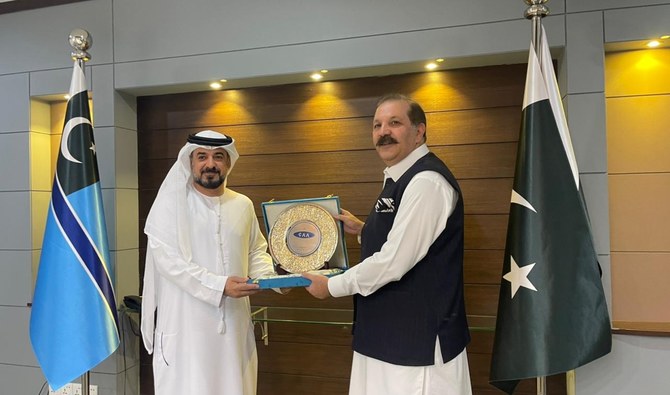
UAE Team Certifies Aviation Security at Islamabad and Karachi Airports Meets International Standards
ISLAMABAD: UAE General Civil Aviation Authority Team Validates Security at Key Pakistani Airports
Authorities in Pakistan have announced that the United Arab Emirates General Civil Aviation Authority (UAE-GCAA) team has confirmed that the aviation security measures at Islamabad’s Benazir Bhutto International Airport and Karachi’s Jinnah International Airport are in compliance with international standards. This evaluation is part of a concerted effort by both nations to enhance aviation security protocols and ensure they meet global best practices.
The UAE delegation, consisting of experts led by Abdullah Al Kaabi, a senior director from the UAE-GCAA, conducted a comprehensive week-long inspection of the two major airports. Their assessment included a thorough review of passenger and baggage screening procedures, cargo handling, catering facilities, and the overall security access to the airports and aircraft.
This certification is particularly significant in light of past concerns over aviation safety in Pakistan. In 2020, the country’s aviation sector faced intense scrutiny after revelations that approximately 262 of the 860 active pilots had obtained fake licenses. This scandal led to the suspension of around 150 pilots from Pakistan International Airlines (PIA) and other carriers. The scandal, which followed the tragic crash of PIA Flight 8303 in Karachi, resulted in the grounding of PIA’s operations in the European Union (EU) and other regions, prompting urgent calls for regulatory reforms to enhance safety standards and transparency within the sector.
During their visit, the UAE team inspected several critical areas of airport operations. They meticulously reviewed passenger and baggage screening processes to ensure they adhered to international safety protocols. The delegation also examined cargo handling and catering facilities, which are crucial for maintaining high standards of aviation security. They assessed the efficiency and effectiveness of security measures, including access control to the airports and aircraft. The inspection also included a review of direct flights arriving from the UAE, ground handling procedures, and the operations of cargo companies. The team evaluated the overall security infrastructure and practices at both airports.
The UAE-GCAA team expressed their satisfaction with the security protocols in place and commended the efforts of the Airport Security Force and other stakeholders involved in maintaining high standards of aviation security. Their positive assessment reflects the commitment of Pakistan to adhering to global safety standards and improving its aviation sector’s credibility.
The assessment by the UAE-GCAA is notable as it marks the first such evaluation by a UAE authority. This visit follows similar assessments conducted earlier in the year by the United Kingdom Department of Transport, highlighting Pakistan’s proactive approach to addressing aviation security concerns. The UAE and Pakistan have maintained a strong fraternal relationship, evidenced by the frequent air travel between the two nations. Numerous airlines operate multiple flights daily, connecting major Pakistani cities such as Karachi, Lahore, Islamabad, and Peshawar to key UAE hubs in Abu Dhabi, Sharjah, and Dubai.
The successful certification by the UAE team underscores Pakistan’s commitment to enhancing aviation security and aligns with ongoing efforts to meet international standards. This achievement is expected to bolster confidence in Pakistan’s aviation sector and support the country’s efforts to improve safety and transparency within the industry. The positive evaluation also reinforces the importance of continued collaboration between Pakistan and the UAE to uphold high standards of aviation security and ensure the safety of air travel for passengers and cargo alike.