India-UAE vs. India-US: Understanding the Difference in Strategic Ties
India Enhances Global Ties with Poland and Malaysia, Shifting Relationships to Higher Levels of Cooperation

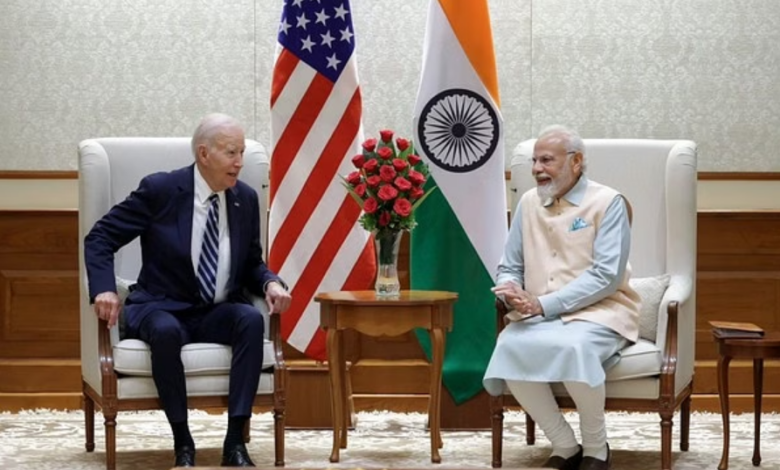
India’s Diplomatic Upgrades: From Strategic to Comprehensive Strategic Partnerships
In the global diplomatic field, India has recently made significant progress. During Prime Minister Narendra Modi’s visit to Warsaw, India and Poland upgraded their bilateral relationship as a “strategic partnership”. This move reflects the commitment to improve cooperation in all sectors. Similarly, during the visit of Malaysian Prime Minister Anwar Ibrahim to Delhi, the relationship between India and Malaysia was upgraded from “enhanced strategic partnership” to “comprehensive strategic partnership”.
Understand participation
“Strategic partnerships” usually involve broad and joint ventures in key areas such as security, economics and technology. This type of partnership indicates a mutual commitment to improve bilateral relations, but does not always specify the exact scope or depth of cooperation in each area. On the other hand, “comprehensive strategic partnership” means deep and comprehensive cooperation. It covers a wide range of areas reflecting the deep trust and commitment between the countries involved. These partnerships often lead to extensive contracts and high turnover.
Purpose and meaning
Although these terms are not officially defined or legally binding, they serve an essential purpose in international diplomacy. They act as a sign of commitment and progress in bilateral relations and provide a framework for better cooperation. Rajesh Rajagopalan, a professor of international politics at Jawaharlal Nehru University (JNU), said that during royal visits, these terms often fulfill an official role and serve as formal indicators of deep relations. Amit Ranjan of South Asian Studies Institute (ISAS) considers this partnership to be an essential milestone for building mutual trust and strengthening diplomatic relations.
India Global Network
India’s strategic partnership includes more than 30 countries, including the United States, Russia, England, Japan, the European Union and China. These partnerships focus on broad areas of cooperation and represent a commitment to joint ventures in various fields. In contrast, India’s comprehensive strategic engagement is limited, but represents deep and broad engagement. Countries such as Australia, the United Kingdom, the United Arab Emirates (UAE), and the Association of Southeast Asian Nations (ASEAN) belong to this category. This partnership includes extensive cooperation in many fields, including technology, trade, economy and people-to-people relations.
Future effects
As India continues to shape its global diplomatic relations, the distinction between strategic and comprehensive strategic partnerships will play an important role in shaping its international strategy. These partnerships are not just political words; They reflect India’s growing global role and commitment to developing deep and meaningful relationships with key global actors. The development of these relations underscores India’s strategic priorities and approach to increasing international engagement and influence.