UAE Airfares Double as Expats Return for School Vacations
Prices Soar as Expats Return from Summer Vacations, with Significant Increases on Indian Routes

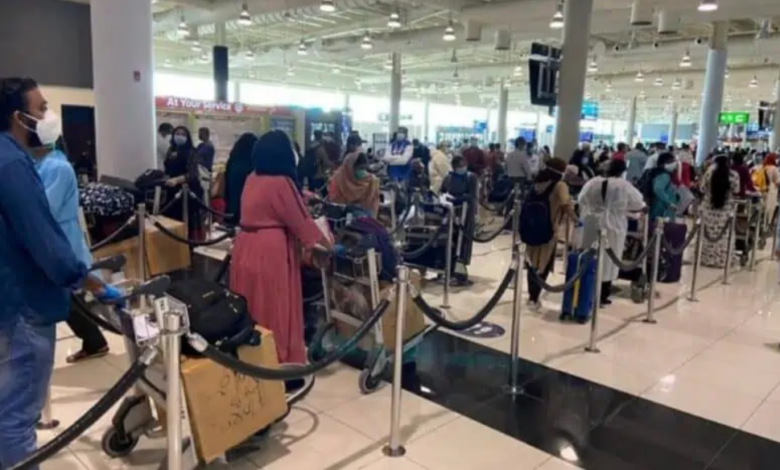
UAE Airfares Surge Nearly 100% Ahead of School Season
Inbound airfares to the UAE have nearly doubled as families prepare for the school season later this month. This significant increase in ticket prices is attributed to the large number of expatriates and nationals returning to the UAE after extended summer vacations. Mid-August is traditionally a high-traffic period for air travel as many UAE residents make their way back to the country to coincide with the start of the new academic year.
Seasonal Airfare Increases
The period leading up to mid-August is known for a noticeable surge in airfares due to the influx of travelers returning to the UAE. As families wrap up their summer holidays and home country visits, the demand for flights increases substantially. This spike in demand drives up prices, particularly as most schools in the UAE are scheduled to reopen around August 26. Families often plan their return a few days before the school year starts, further contributing to the high demand for flights.
Travel agents based in Dubai have reported a significant rise in inbound airfares to various destinations, including the Middle East, Asia, and Europe. However, the most dramatic increases are observed on routes to and from the Indian subcontinent. This region sees a considerable fare hike due to the substantial number of South Asian nationals residing in the UAE. The rise in airfares for flights from cities like Mumbai and Kerala has been particularly steep, with prices climbing by over 50 percent during this back-to-school rush. In some cases, fares have nearly doubled, reflecting the high demand and constrained supply.
Calls for Expanded Capacity
The recent surge in airfares from India to the UAE has drawn attention in the Indian parliament, where the issue was highlighted amid growing concern from residents and travel agents. There have been ongoing calls to expand the seating capacity on flights between the UAE and India to better accommodate the increasing demand. The current capacity constraints contribute significantly to the sharp rise in fares during peak travel periods.
Factors Driving Airfare Hikes
Rashida Zahid, Vice-President of Operations at Musafir.com, explained that the sharp increase in UAE-bound airfares in August is largely driven by the return of expatriate families who are preparing for their children’s new academic year. This high demand for flights, combined with limited availability during peak travel periods, leads airlines to adjust their fares upwards. The result is a notable increase in ticket prices as airlines seek to balance supply with the heightened demand.
“Families returning to the UAE for the start of the school year significantly drive up the demand for flights,” Zahid noted. “Airlines adjust their fares in response to this increased demand, which results in substantial price hikes. The overlap of school holidays in various countries with the UAE’s academic calendar exacerbates the situation, contributing to the overall surge in airfares.”
Zahid also pointed out that while airfares generally rise across different regions during peak travel periods, the most substantial increases are observed on routes to the Indian subcontinent. In contrast, flights to Europe and the Middle East experience more moderate fare hikes. Many travelers to these regions can adjust their travel dates to avoid peak periods, resulting in less dramatic fare increases.
Dynamics of the Peak Travel Season
TP Sudheesh, General Manager at Deira Travel and Tourist Agency, emphasized that the period from August 15 to early September is historically one of the busiest and longest travel seasons for inbound flights to the UAE. This extended peak season contrasts with shorter spikes in travel, such as those during Eid holidays or Christmas, which typically last only a few days.
“There is a significant variation in supply and demand during this season,” Sudheesh explained. “The high demand often exceeds the available capacity, leading to increased airfares. Unlike shorter travel spikes, the August to September period represents an extended travel season, during which airlines face challenges in accommodating the high volume of passengers.”
Sudheesh added that routes to India, Pakistan, and Sri Lanka experience particularly high demand during this period. Additionally, there is considerable demand for flights from African countries towards the end of August, contributing to the overall increase in airfares.
Anticipated Decline in Airfares
Sudheesh also noted that while inbound airfares are unlikely to drop immediately, a gradual decline is expected over the course of a week or so following the peak travel period. Many UAE and Arab families who have traveled to Europe for extended vacations will also return to the UAE later in the month. This trend is expected to influence airfare patterns, with a similar trend observed in this sector as well.
Rashida Zahid anticipated that inbound airfares to the UAE would decrease gradually after the initial peak in August. “Travelers can expect a significant reduction in prices starting from the first week of September as the back-to-school rush subsides and demand normalizes,” Zahid said.
In summary, the doubling of inbound airfares ahead of the school openings reflects the typical seasonal pattern of increased demand and limited supply. As the peak travel period concludes and demand stabilizes, a gradual decline in airfares can be anticipated. This seasonal fluctuation underscores the impact of high travel volumes on pricing and the challenges faced by both travelers and airlines during peak periods.