UAE fiscal surplus may shrink in 2025–2026, but economic outlook stays strong
NBK sees steady UAE growth as reforms and tourism offset lower oil prices and higher spending

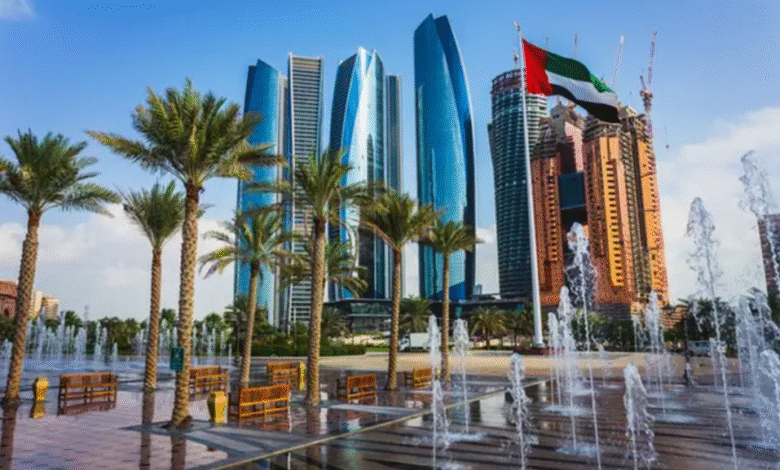
UAE’s Fiscal Surplus to Decline by 2026, But Economic Outlook Remains Strong: NBK Report
A recent research by the National Bank of Kuwait (NBK) predicts that over the next two years, the UAE’s fiscal surplus would gradually erode due to forecasted drops in global oil prices. Despite these fiscal changes, the country’s overall economic momentum is expected to remain positive through 2025–2026.
g
According to NBK calculations, the UAE’s budget surplus, which is expected to be 5.5% of GDP in 2024, could decline to around 4% in 2025 and 2026. The main reasons for this decline are a slight decline in oil revenues and an increase in government spending aimed at stimulating long-term growth. Efforts for diversification, social services and infrastructure are important spending areas that will meet the country’s larger Vision 2030 objectives.
The hydrocarbon industry is anticipated to benefit from increased oil output, although the total economic benefits will be mitigated by declining oil prices. Because of trade imbalances brought on by US tariffs on items like steel and aluminum as well as decreased global demand, the nation’s current account surplus may shrink to 2.3% of GDP by 2026.
However, NBK predicts average GDP growth of 4.2% in 2025–2026, indicating that the UAE economy will expand steadily. The energy sector will play a major role in this expansion, but the non-oil economy should also be resilient thanks to continued reforms, foreign investments, and a robust tourism sector.
However, the future is not without its challenges. Investor sentiment could be dampened by external challenges such as geopolitical unrest and changes in international trade. The non-oil economy in the UAE is likely to expand slowly, with a growing housing supply and persistently high mortgage rates, and real estate markets could consolidate or even decline somewhat.
While future interest rate cuts will boost demand for real estate, the NBK said that stricter regulations and a new construction boom could prevent steep price increases for now.
Despite these threats, the UAE’s long-term confidence in its financial and economic stability is expected to be maintained, thanks to its business-friendly policies, global competitiveness and strong commitment to economic diversification.