Israel, US, UAE Hold Secret Abu Dhabi Meeting on Gaza Postwar Plan
High-level officials discuss future of Gaza, potential peacekeeping roles, and Palestinian Authority reforms amid ongoing conflict

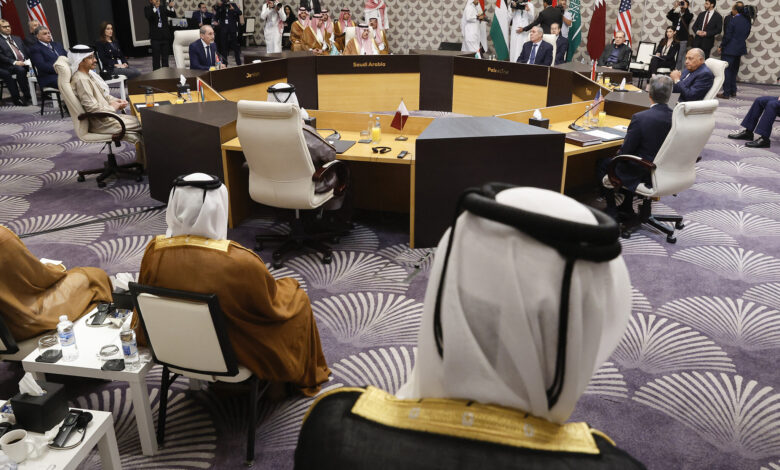
Israel, US, UAE Hold Secret Abu Dhabi Meeting on Gaza Postwar Plans
Officials from Israel, the United States, and the United Arab Emirates (UAE) reportedly held a secret meeting in Abu Dhabi last week to discuss the future of Gaza following the ongoing conflict. This high-level discussion marks a potential shift in Prime Minister Benjamin Netanyahu’s position, who had previously refused to address postwar issues seriously until the military offensive against Hamas concluded.
High-Level Attendees and Discussions
Israeli officials disclosed to Axios that the covert meeting took place on Thursday. UAE Foreign Minister Abdullah bin Zayed hosted the discussions, which also included Ron Dermer, Israel’s Strategic Affairs Minister, and Brett McGurk, the US President’s Middle East envoy. Senior Israeli officials involved in developing postwar plans for Gaza were present. This gathering underscored the significant diplomatic engagement among key stakeholders working on Gaza’s future.
Overview of the UAE’s Proposal
The UAE’s postwar plan is reported to closely resemble a proposal by Israeli Defense Minister Yoav Gallant presented earlier this year. Netanyahu had previously rejected this proposal. The UAE’s plan aims to address the aftermath of the conflict in Gaza, a region severely affected by recent violence. The plan seeks to establish a framework for postwar recovery and governance, demonstrating the UAE’s commitment to stabilizing the region.
Context of the Gaza Conflict
The ongoing conflict began with a major assault by Hamas on October 7, involving approximately 3,000 terrorists breaching Israel’s borders through land, air, and sea. This attack resulted in the deaths of about 1,200 people and the abduction of 251 hostages. The assault included severe acts of brutality and sexual violence. In response, Israel launched an extensive military operation in Gaza. Initial successes from aerial strikes and ground troop advancements have given way to a protracted struggle against a resilient insurgency. This evolving conflict has drawn comparisons to the US’s challenging military engagements in Iraq and Afghanistan, reflecting the complex and entrenched nature of the situation.
UAE’s Commitment to Peacekeeping
Prior to the secret meeting, a senior UAE official signaled Abu Dhabi’s willingness to contribute troops to a postwar peacekeeping force in Gaza. This positions the UAE as the first Arab country to publicly endorse the effort quietly promoted by the Biden administration. Lana Nusseibeh, a special envoy of bin Zayed, articulated this support in an op-ed for the Financial Times. She called for the establishment of a “temporary international mission” in Gaza to address the humanitarian crisis, establish law and order, and lay the groundwork for effective governance. Nusseibeh highlighted the need for the Palestinian Authority (PA) to undertake significant reforms, including appointing a new, independent prime minister and formally requesting the international force’s presence in Gaza.
Reforms and Leadership Challenges
According to the Axios report, the UAE has informed the Biden administration that the PA’s current prime minister, Mohammed Mustafa, is too closely linked to PA President Mahmoud Abbas to lead the necessary reforms. Former PA prime minister Salam Fayyad, known for his criticism of Abbas, has been proposed as a potential replacement. The Biden administration is actively working to recruit additional countries to support this initiative, aiming to reinstall the PA as Gaza’s governing authority. However, significant obstacles remain, including Netanyahu’s opposition to a two-state solution, which complicates efforts to secure broader Arab support.
Broader Diplomatic Efforts and International Support
US Secretary of State Antony Blinken has been engaged in extensive discussions with counterparts from Saudi Arabia, the UAE, Qatar, Jordan, Egypt, and the PA. Additionally, he has involved countries such as Morocco, Bahrain, Turkey, and Indonesia to build international support for stabilizing Gaza postwar. This comprehensive diplomatic effort underscores the complexity of the situation and the challenge of achieving a consensus on Gaza’s future. The negotiations reflect the intricate nature of international diplomacy in the Middle East, aiming to address immediate humanitarian needs while working toward long-term solutions for peace and stability in the region.
This detailed approach highlights the depth of international involvement and the intricate balancing act required to address the multifaceted issues surrounding Gaza’s postwar scenario.