UK ‘attempted to silence criticism’ of UAE’s alleged role in arming Sudan’s RSF militia
UK officials accused of silencing criticism of UAE's alleged arms supply to Sudan's RSF amid ethnic cleansing claims

UK Government Suppresses Criticism of UAE’s Alleged Role in Arming Sudan’s RSF Militia
UK government officials attempted to suppress criticism of the United Arab Emirates (UAE) and its alleged role in supplying arms to a notorious militia waging a campaign of ethnic cleansing in Sudan, sources have told the Guardian. Claims that Foreign Office officials put pressure on African diplomats to avoid criticizing the UAE over its alleged military support for Sudan’s Rapid Support Forces (RSF) will intensify scrutiny of the UK’s relationship with the Gulf state.
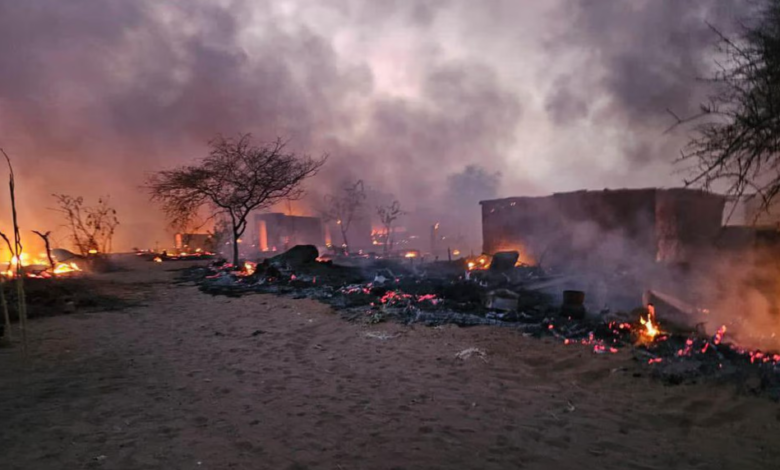
The RSF, a paramilitary group accused of carrying out crimes against humanity by rights groups, is besieging the city of El Fasher in Darfur, a sprawling region in western Sudan. Fighters have encircled the city, amid evidence they are targeting and murdering civilians based on their ethnicity. The siege has prompted warnings that if El Fasher falls, it will precipitate a large-scale massacre and possible genocide. Yonah Diamond, an international human rights lawyer, said that during informal talks earlier this month in Ethiopia – to explore the possibility of legal action against the UAE over its alleged role in the fighting – he was told by senior African diplomats that the UK was actively dissuading some states from condemning the emirates.
However, the Foreign, Commonwealth and Development Office (FCDO) strongly denied the claims. A spokesperson said: “These accusations are categorically untrue. The UK is using its diplomatic influence to support efforts for a durable peace.”
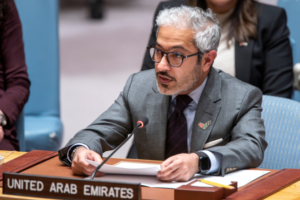
The role of the UAE in Sudan’s brutal 14-month civil war between the RSF and the Sudanese Armed Forces is hotly contested. The UAE has repeatedly denied involvement in sending military support to any of Sudan’s warring parties. On Tuesday, Sudan’s army-aligned government and the UAE clashed at the UN Security Council with the latter dismissing claims it was supplying the RSF as “ludicrous”. However, UN sanctions monitors have described accusations that the UAE provided military support to the RSF as “credible”.
Last week the Humanitarian Research Lab (HRL) at Yale University revealed images of a cargo plane flying over RSF territory near El Fasher, matching an aircraft type seen at locations in neighboring Chad where lethal aid has allegedly been transferred to the RSF. The findings have raised questions over potential arms resupplies to the RSF by the Gulf state, though it is not known who operated the Ilyushin IL-76 plane. Nathaniel Raymond, HRL executive director, said: “It needs to be investigated by the UN Security Council, who can ask the UAE whether they are involved.”
The UK is the UN Security Council’s current “penholder” on Sudan, meaning it leads the council’s activities on Africa’s third-largest country. In response to the claims, FCDO officials also pointed to a UK-led UN Security Council resolution last Thursday calling on the RSF in Sudan to “halt their siege” on El Fasher, the last city in western Darfur not controlled by the RSF. The resolution “calls on all member states to refrain from external interference which seeks to foment conflict and instability” and to comply with the Darfur arms embargo. Critics, though, say the text should have made explicit reference to the UAE as well as Iran, which is accused of supplying the opposing Sudanese Armed Forces, which has also faced allegations of war crimes.
Some say such an intervention arrived too late, accusing the west of dragging its feet as the RSF offensive on El Fasher unfolded. Questions over UAE support for the RSF arose during a meeting in London on 13 June between the FCDO and members of the UK’s Darfur diaspora, which was prompted by the Guardian’s revelation of secret talks between Britain and the RSF. Abdallah Idriss Abugarda, leader of the Darfur Diaspora Association, accused the FCDO of putting its relationship with the UAE above that of civilians’ lives. The claim was denied by officials. Abugarda said: “We are very concerned about the British interests. It’s not beneficial that the UAE appears to have leverage over the UK. The UK doesn’t care about its moral obligation.” His association represents 30,000 people in the UK and is thought to be the biggest such organization in the world, unusually representing Darfur’s nine African ethnic groups.
Kholood Khair, Sudanese political analyst, said geopolitical dynamics explained any attempt to protect the UAE. “The UAE has made itself indispensable to the west, in particular the US, as a guarantor of its strategic objectives in the region,” she said. Khair added: “The UAE has been helping the US stave off Chinese dominance in Africa by outspending Beijing and in return gets US security guarantees.”
Human rights groups point to economic ties and close links with the emirates of key British figures, such as the foreign secretary, David Cameron. In 2013, as prime minister, Lord Cameron set up a secretive Whitehall unit specifically to court the oil-rich sheikhs of the UAE, with the aim of persuading them to invest billions in the UK. In January, the defense secretary, Grant Shapps, said he expected the UK to raise tens of billions of pounds of investment from the UAE.
The allegations against the UK government add another layer of complexity to an already tangled geopolitical situation. The RSF’s activities in Sudan have drawn widespread condemnation from international human rights organizations, which have documented numerous atrocities committed by the group. The UAE’s alleged support for the RSF has therefore become a focal point for those seeking to understand the dynamics of the conflict and the international interests involved.
Furthermore, the broader implications of these allegations affect the UK’s diplomatic posture and its credibility in advocating for human rights and international law. If substantiated, the claims could undermine the UK’s position on the global stage, particularly in forums like the UN Security Council, where it has a significant influence.
The situation in Sudan, especially in regions like Darfur, remains dire. The international community continues to watch closely, with many calling for increased transparency and accountability from all parties involved, including external actors like the UAE. The UK’s alleged attempts to downplay or suppress criticism of the UAE’s actions have thus sparked a debate about the moral and ethical responsibilities of powerful nations in international conflicts.
The controversy surrounding the UK’s alleged suppression of criticism towards the UAE’s involvement in Sudan’s conflict highlights the intricate interplay of international relations, economic interests, and human rights. As the situation unfolds, it will be crucial to monitor how these dynamics evolve and what impact they will have on both the conflict in Sudan and the broader geopolitical landscape.