Dubai Metro resumes full operations after storm
Flood damage caused widespread disruption to transport services in the emirate

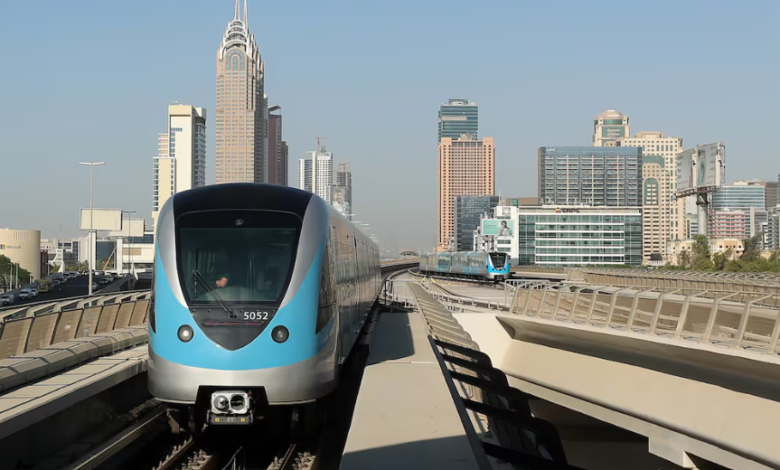
Dubai Metro Fully Operational After Record-Breaking Storms Disrupt City
Dubai’s Metro services have returned to full capacity after the storms that brought most of the city to a standstill last month, the emirate’s Roads and Transport Authority confirmed.
“In line with our continuous efforts to ensure seamless journeys, the RTA has successfully resumed Dubai Metro’s full operations,” read an authority statement on X. The RTA emphasized their commitment to maintaining efficient and reliable transportation services despite the challenges posed by the severe weather conditions.
“We thank you for your understanding and cooperation, and we remain committed to providing you with comfortable and safe journeys to your destinations,” the statement continued. This reassurance comes as a relief to many residents and commuters who faced significant disruptions during the unprecedented weather event.
Several stations on the Green and Red lines were closed after the Emirates experienced its largest day of rainfall in 75 years last month. The heavy rains led to flooding in various parts of the city, severely affecting transportation networks and daily life. The closure of multiple metro stations added to the challenges faced by commuters, many of whom rely on the metro as their primary mode of transport.
The storms caused widespread flooding, travel disruption, and damage across Dubai. Roads were submerged, and various infrastructure elements were damaged, requiring extensive repair and maintenance work. The metro, being a critical part of Dubai’s transport infrastructure, was particularly impacted by the flooding, necessitating the temporary closure of several key stations.
The National Centre of Meteorology reported that the volume of rain was the highest since official records began in 1949. This historic rainfall event highlighted the vulnerability of the region to such extreme weather phenomena. The sheer amount of water overwhelmed drainage systems and caused significant disruptions across the city.
In one area of Al Ain, on April 16, authorities recorded 254mm of rain in 24 hours – the equivalent of about two years’ worth of average rainfall in the UAE. This extraordinary rainfall in such a short period was a significant contributing factor to the flooding and disruptions experienced. The deluge not only affected transportation but also caused damage to homes, businesses, and public infrastructure.
The persistent downpours were an “exceptional event in the UAE’s climate history since the start of recording climate data,” the NCM said. Such an event underscores the need for enhanced preparedness and infrastructure resilience to cope with future occurrences of extreme weather. The RTA and other government bodies are likely to review and improve their strategies and systems in light of this experience.