Dubai reveals a Dh208 billion plan to double Emirati families in 10 years
Sheikh Mohammed bin Rashid announces ambitious vision

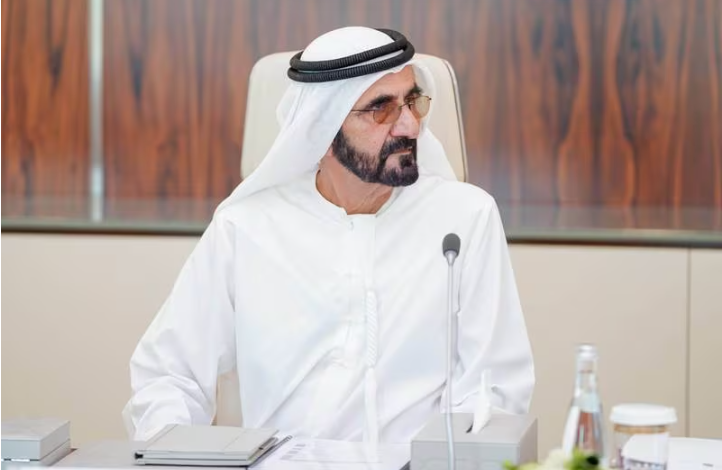
Sheikh Mohammed bin Rashid, Vice President and Ruler of Dubai, has launched a Dh208 billion ($56.63 billion) strategy to double the number of Emirati families in the emirate within a decade. The initiative focuses on enhancing housing standards, healthcare, and the overall quality of life for citizens. Sheikh Mohammed aims to establish residential developments for Emiratis, providing what he envisions as “the best living conditions in the world.” With Dubai’s current population exceeding 3.65 million, the emirate’s position as a leading destination for expatriates is a driving force.
The Dubai Social Agenda 33, outlined by Sheikh Mohammed, is a comprehensive plan for the next decade, emphasizing family as the foundation of the nation. The budget for this initiative is set at Dh208 billion, with a primary goal of doubling the number of citizen families within the specified timeframe. The plan encompasses housing, living standards, identity, values, social cohesion, healthcare, and the development of future skills in upcoming generations.
Sheikh Mohammed entrusts the implementation of the social agenda to his sons, emphasizing their dedication to Dubai’s large family. The initiative has defined targets, approved programs, allocated budgets, and will be overseen by Sheikh Mohammed’s sons Hamdan, Maktoum, Ahmed, and their siblings.
The Dubai Social Agenda 33 outlines several key goals, including establishing the world’s most efficient and high-quality healthcare system, developing an education sector aligned with Dubai’s ambitions to be among the top ten cities globally for education quality, cultivating a proactive social care system, tripling the number of Emiratis in Dubai’s private sector, and ensuring Dubai ranks among the top three cities worldwide for living standards and life expectancy. Sheikh Mohammed underscores the importance of prioritizing family protection, empowerment, development, and cohesion in the coming period.
The Dubai government has provided insights into the allocation of the Dh208 billion funding for the ambitious plan over the coming years. Healthcare spending is set to increase from Dh66 million (2014-2023) to Dh120 million until 2033. A substantial portion of Dh26 billion is earmarked for citizen support, with a focus on promoting family stability and well-being.
Additionally, Dh21.9 billion will be directed towards supporting social institutions, aiming to enhance social cohesion, raise awareness of national identity, and encourage citizen involvement in their communities. Another allocation of Dh14.5 billion is dedicated to the development of integrated residential compounds for Emiratis, fostering community building. Dh13 billion is set aside to invest in a sustainable education system supporting young talent and entrepreneurial spirit.
The arts and culture sector is slated to receive Dh6.4 billion, while the sports sector will benefit from a Dh6.2 billion boost. The Dubai Media Office highlighted the intention to transform Dubai into a cultural hub that attracts global creativity and establishes the city on the global sports scene.
Professor Andrew Gardner, an expert in sociology and anthropology at the University of Puget Sound, suggests that Dubai’s initiative to increase its Emirati population may be rooted in a desire to return to a more traditional, family-based society. He notes the historical context where large families were common, and population growth was high in the mid-20th century. Stimulating growth in the Emirati population could also reduce reliance on a temporary, transnational workforce.
Professor Gardner acknowledges the challenges faced by nations worldwide in boosting birth rates, attributing declines to factors such as women entering the workforce and pursuing professional appointments. This aligns with global trends where increased professionalization tends to correlate with lower birth rates.