GCC Nations, Including Oman and UAE, Expand Tourism with Pilgrimage Destinations
Discover GCC's 2024 Spiritual Gems: Islamic Heritage Meets World-Class Hospitality

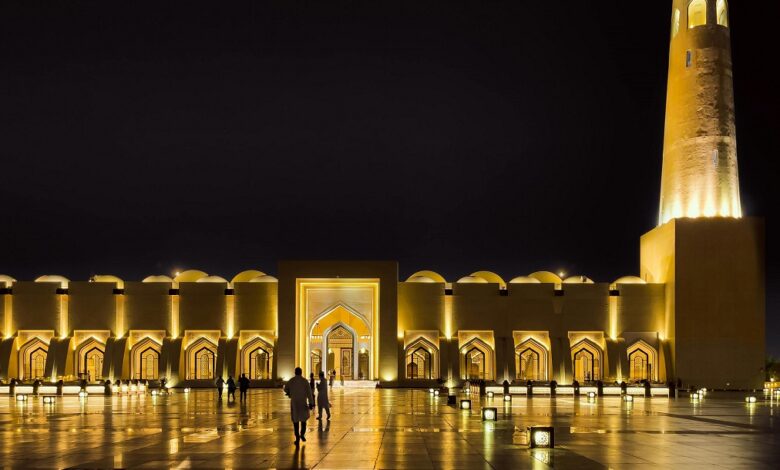
GCC Nations Leading the Way in Pilgrimage Tourism for 2024
Oman, Saudi Arabia, the United Arab Emirates, Qatar, and other nations that make up the Gulf Cooperation Council (GCC) are becoming the world’s leading religious tourism destinations. In order to draw millions of Muslim pilgrims in 2024, these countries are fusing their rich Islamic legacy with cutting-edge infrastructure and first-rate hospitality. Their combined endeavors and separate approaches are establishing new standards for pilgrimage travel.
Saudi Arabia: The Heart of Global Muslim Pilgrimage
Saudi Arabia continues to be the epicenter of Islamic pilgrimage, drawing millions annually for Hajj and Umrah. The Kingdom has significantly enhanced its facilities and services, aligning them with its ambitious Vision 2030 strategy.
Key Developments in 2024:
- Hajj and Umrah Enhancements: Saudi Arabia has implemented advanced crowd management systems, ensuring a seamless pilgrimage experience. The ongoing expansions of the Grand Mosque in Mecca and Al-Masjid an-Nabawi in Medina are pivotal to accommodating the growing number of pilgrims.
- Technological Innovations: Initiatives like the “Hajj Smart Card” provide real-time updates on logistics, transportation, and accommodations, simplifying the journey for pilgrims.
- Diverse Spiritual Destinations: While Mecca and Medina remain central, other sites such as Diriyah—a UNESCO World Heritage Site—and Al-Ula offer enriching historical and spiritual experiences.
Through these initiatives, Saudi Arabia aims to host 30 million Umrah pilgrims annually by 2030, significantly contributing to its economic diversification.
Oman: A Tranquil Destination for Reflection
Oman’s serene landscapes and deep-rooted Islamic heritage position it as a unique destination for spiritual seekers. The nation’s commitment to preserving its culture and environment enhances its appeal for pilgrimage tourism.
Key Spiritual Sites in Oman:
- Sultan Qaboos Grand Mosque: A marvel of Islamic architecture, this mosque in Muscat attracts visitors worldwide for its beauty and tranquility.
- Tomb of Prophet Job (Nabi Ayoub): Located near Salalah, this revered site offers a profound connection to Islamic history.
- Al Baleed Archaeological Park: A UNESCO World Heritage Site, it provides insights into Oman’s early Islamic civilization.
Oman’s efforts to promote its religious and cultural heritage make it an ideal destination for those seeking a peaceful spiritual journey.
UAE: Modernity Meets Tradition
The United Arab Emirates (UAE) has skillfully blended modern infrastructure with Islamic traditions, making it a hub for contemporary Islamic tourism. The country offers a variety of experiences that cater to both spiritual and cultural interests.
Highlighted Attractions in the UAE:
- Sheikh Zayed Grand Mosque: One of the world’s most iconic mosques, located in Abu Dhabi, it is renowned for its stunning architecture and spiritual ambiance.
- Islamic Culture Village (Sharjah): This village provides immersive experiences in Islamic art, culture, and traditions, appealing to a broad audience.
- Al Noor Mosque (Sharjah): Open to non-Muslims, this mosque fosters interfaith understanding and dialogue.
The UAE’s integration of cultural tourism with spiritual experiences ensures a comprehensive and enriching visit for pilgrims and tourists alike.
Qatar: A Rising Star in Religious Tourism
Qatar has rapidly advanced its tourism infrastructure, focusing on showcasing its Islamic heritage. The nation’s strategic investments aim to position it as a premier destination for religious and cultural tourism.
Key Religious Sites in Qatar:
- Imam Muhammad ibn Abd Al Wahhab Mosque: A symbol of Qatar’s Islamic identity, this mosque is a centerpiece of religious tourism.
- Education City Mosque: Blending spirituality with education, this mosque represents modern Islamic architecture.
- Katara Cultural Village: Offering rich insights into Islamic art and traditions, it enhances Qatar’s appeal to culturally curious travelers.
Qatar’s balanced approach to tradition and innovation continues to draw pilgrims and tourists seeking meaningful spiritual experiences.
Collaborative Efforts Across the GCC
The GCC nations are leveraging regional collaboration to boost pilgrimage tourism. These efforts include:
- Unified Visa Systems: Simplifying travel for pilgrims across GCC countries.
- Enhanced Connectivity: High-speed rail and improved air travel infrastructure link major pilgrimage sites.
- Joint Marketing Campaigns: Promoting the region’s Islamic heritage collectively to attract global Muslim travelers.
Economic Impact of Pilgrimage Tourism
Religious tourism plays a key role in the economic diversification strategies of the GCC countries. By boosting sectors such as hospitality, retail and transport, pilgrimage tourism contributes significantly to national GDP. Initiatives such as Saudi Arabia’s Vision 2030 and Qatar’s National Vision 2030 highlight the importance of this sector in achieving sustainable growth.
Travel Tips for Pilgrims in 2024
- Plan Early: Secure accommodations and transportation well in advance, especially during peak seasons like Ramadan and Hajj.
- Respect Local Customs: Familiarize yourself with cultural and religious norms.
- Utilize Technology: Leverage official apps and websites for updates and information.
- Explore Beyond Pilgrimage Sites: Discover historical and cultural landmarks to enrich your journey.
- Travel Smart: Use unified GCC visa options for hassle-free movement across the region.
Leading the way in pilgrimage tourism in 2024 will be Oman, Saudi Arabia, the United Arab Emirates, and Qatar, which provide a tasteful fusion of modernity and tradition. These nations provide spiritually transforming experiences enhanced by outstanding hospitality and creative approaches. The GCC region is well-positioned to solidify its status as a global center for religious tourism, promoting greater spiritual fulfillment and cultural understanding, as investment in this field increases.