Heavy Rain Halts Kerala Imports, Jackfruit Prices Soar in UAE
Kerala's disrupted jackfruit exports lead to skyrocketing prices in the UAE, impacting market dynamics and consumer behavior

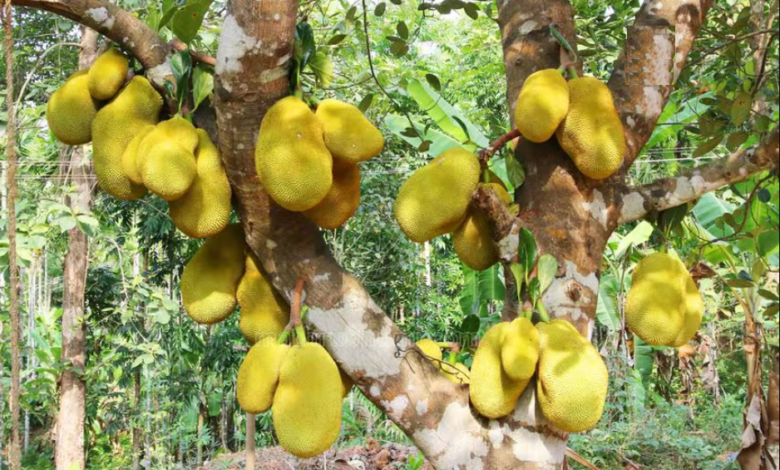
Heavy Rains in Kerala Cause Jackfruit Prices to Soar in UAE
Sharjah: The heavy rains in Kerala have caused a significant decline in jackfruit production, bringing exports to a halt. This disruption has led to a reduced availability of jackfruits in the UAE, causing a sharp increase in prices. Currently, the UAE is relying mainly on Vietnam for importing jackfruit. Traders have reported that the price has increased exponentially due to this dependency.
The price of half a kilo of jackfruit surged to 40 Dirhams (approximately Rs 900) in Sharjah on Sunday. Ganesh, the manager of Lulu Hypermarket in Sharjah Nabba, confirmed that the price of jackfruit has increased in the UAE following the stoppage of exports from Kerala. This has caused a ripple effect on the market, influencing consumer behavior and sales trends.
Impact on Market and Consumer Behavior
Until last month, jackfruit and mangoes were among the main staples carried by Malayalis returning to the Gulf countries after vacations in Kerala. This consistent supply kept the price of jackfruit relatively low in the UAE markets. However, the interruption in supply from Kerala has drastically changed the scenario. The sudden halt in exports has forced traders in the UAE to seek alternative sources for jackfruit. Vietnam has become the primary supplier, but this shift has not been able to fully compensate for the shortfall. The reliance on a new supplier has contributed to the significant price hike.
Ganesh from Lulu Hypermarket noted that the increase in jackfruit prices has had a noticeable impact on consumer behavior. Many customers are now opting for smaller quantities or seeking alternative fruits. The sharp rise in prices has also affected the sales of other tropical fruits that are typically imported from Kerala.
Broader Economic Implications
The price hike of jackfruit in the UAE is not an isolated event but rather a reflection of broader economic implications. The heavy rains in Kerala have not only disrupted the local agricultural sector but have also affected international trade routes and market dynamics. The situation underscores the vulnerability of global supply chains to environmental factors.
For traders and consumers in the UAE, this disruption highlights the importance of diversifying supply sources to mitigate the risks associated with such unforeseen events. While Vietnam is currently filling the gap, there are concerns about the sustainability of this arrangement if the rains in Kerala persist.
Upcoming Onam Festival
The upcoming Onam festival, a major cultural celebration for Malayalis, is expected to further drive up the prices of jackfruit and mangoes. The demand for these fruits traditionally spikes during this period, and the current shortage is likely to exacerbate the situation. This has raised concerns among traders and consumers alike, as the prices of these fruits are anticipated to reach new heights.
Ganesh mentioned that the sharp rise in prices has already led to a change in consumer purchasing patterns. Many customers are now opting for smaller quantities or substituting jackfruit with other available fruits. This shift in behavior is also affecting the sales of other tropical fruits that are typically imported from Kerala.
Challenges for Retailers and Traders
Retailers and traders in the UAE are facing significant challenges due to the increased prices and reduced supply of jackfruit. The reliance on Vietnam as an alternative source has provided some relief, but it has also highlighted the limitations and vulnerabilities of the current supply chain. The increased prices have made it difficult for retailers to maintain their profit margins while ensuring that customers are not overburdened with high costs.
In addition to the challenges of sourcing jackfruit, traders are also dealing with logistical issues. The sudden shift in supply chains requires adjustments in transportation, storage, and distribution processes. These changes come with additional costs, which are often passed on to the consumers, further exacerbating the situation.
Future Outlook and Potential Solutions
Looking ahead, the key to stabilizing jackfruit prices in the UAE will lie in both short-term and long-term strategies. In the short term, traders may need to explore additional sources for importing jackfruit to balance the supply-demand equation. Long-term solutions could involve investing in better storage and transport infrastructure to handle such disruptions more efficiently.
Moreover, increasing local production of jackfruit and other tropical fruits in the UAE could be a viable strategy to reduce dependency on imports. This would not only help stabilize prices but also ensure a more resilient food supply system. Implementing advanced agricultural technologies and practices could enhance local production capabilities and mitigate the impact of future supply chain disruptions.
In conclusion, the heavy rains in Kerala have led to a notable spike in jackfruit prices in the UAE, highlighting the interconnectedness of global markets and the impact of environmental factors on trade. As the situation evolves, both traders and consumers will need to adapt to the new market realities. Strategic measures will be essential to mitigate future risks, ensuring a stable and reliable supply of jackfruit and other essential commodities.