India, UAE, Sri Lanka Ink Trincomalee Energy Deal to Counter China
Trilateral energy pact strengthens regional ties and counters China’s growing influence in the Indian Ocean

India, UAE, and Sri Lanka Join Hands to Build Strategic Energy Hub in Trincomalee
A New Chapter in Regional Cooperation Amid China’s Expanding Influence
NEW DELHI: India, the United Arab Emirates (UAE), and Sri Lanka have signed a groundbreaking agreement to jointly create a comprehensive energy center in Trincomalee on Sri Lanka’s east coast.
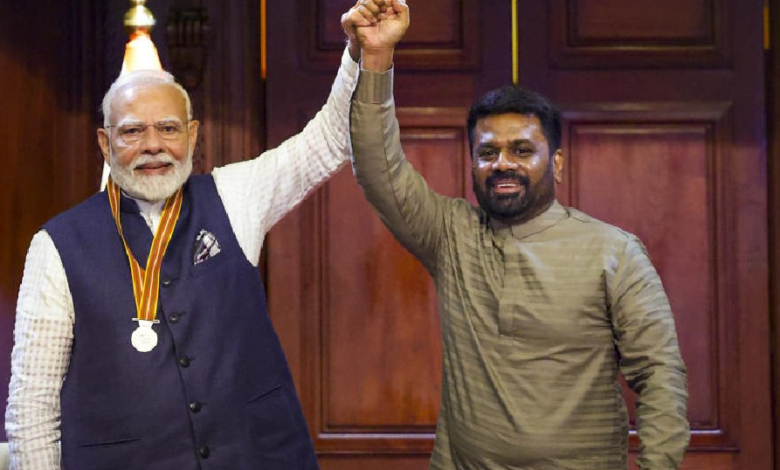
This tripartite Memorandum of Understanding (MoU) was signed on Saturday during Indian Prime Minister Narendra Modi’s visit to Colombo—his first since Sri Lankan President Anura Kumara Dissanayake assumed office in September 2024. The timing of this deal underscores the growing regional collaboration as India and its allies seek to balance China’s growing presence in the island nation.
According to a government announcement, Sri Lanka’s Energy Secretary Prof. K.T.M. Udayanga Hemapala and India’s Foreign Secretary Vikram Misri signed an MoU titled “Cooperation in the Development of Trincomalee as an Energy Hub”.
Why Trincomalee?
Trincomalee, with its natural deep-water harbor and strategic location, has long been regarded as an important nautical asset.
The new energy hub project will include the construction of a multi-product pipeline and possible utilization of an old oil tank farm dating back to World War II. This tank farm is partially managed by Lanka IOC, the Sri Lankan subsidiary of Indian Oil Corporation.
The aim is to combine investments and technical support from India and the UAE to develop Trincomalee into a regional logistics hub for energy supply.
A strategic response to China.
Vikram Misri stressed the importance of Trincomalee, saying that it “has enormous potential to emerge as a regional hub for energy cooperation.” He added that the UAE, one of India’s key energy partners, is a visible and powerful member of this historic trilateral initiative.
The development comes as India seeks to strengthen its influence in Sri Lanka by challenging China’s aggressive investments, such as the $3.2 billion Sinopec oil refinery project in Hambantota. By including the UAE in this, India is sending a strong diplomatic signal of unity and cooperation, aiming to maintain influence in a region that is fast becoming the center of geopolitical struggle.