Sovereign Council says Burhan Informed Bin Zayed of UAE Support for RSF
Sudan's leader accuses UAE of supporting paramilitary forces

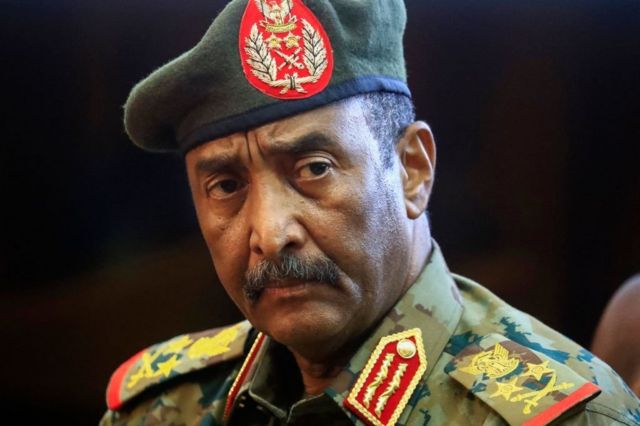
Sudan’s Sovereign Council Claims Burhan Informed UAE’s Bin Zayed of Support for RSF
On July 19, 2024, the Sovereign Council of Sudan announced that its leader, Abdel Fattah al-Burhan, had informed United Arab Emirates (UAE) President Mohammed bin Zayed of Abu Dhabi’s alleged support for the paramilitary Rapid Support Forces (RSF). This development marks a significant point in the ongoing conflict in Sudan and has sparked widespread reactions.
Background of the Conflict
The RSF has been engaged in a prolonged and violent conflict with the Sudanese army for over a year. The fighting has led to significant casualties and displacement of civilians, exacerbating the humanitarian crisis in the region. Allegations of foreign support, particularly from the UAE, have added a complex layer to the conflict.
Details of the Phone Call
The official Emirates News Agency (WAM) reported that on Thursday evening, bin Zayed received a phone call from al-Burhan. During this call, they discussed the strong relations between their countries and the recent developments in Sudan. However, a statement from the Sovereign Council on Friday provided more details, revealing that the conversation also included accusations against the UAE.
Accusations Against the UAE
According to the Sovereign Council’s statement, al-Burhan informed bin Zayed of the Sudanese people’s accusations against Abu Dhabi. Al-Burhan claimed there was extensive evidence and numerous testimonies proving the UAE’s support for the RSF rebels. He stated, “Abu Dhabi is accused by the Sudanese, with extensive evidence and testimonies proving the UAE’s support for the rebels and those who kill and destroy their country and displace them.” He urged the Emirati leader to cease these actions, highlighting the severe impact of the alleged support on Sudan’s stability and security.
Emirati Response
The statement from the Sovereign Council also mentioned that during the call, President bin Zayed expressed a desire to help end the ongoing war in Sudan. This response, however, did not directly address the accusations made by al-Burhan. The phone call marked the first direct communication between the two leaders after months of tension and public exchanges through the media.
Impact on Social Media and Public Reaction
The phone call and its revelations sparked widespread reactions and controversy on social media. Users expressed varied opinions, with some supporting Sudan’s stance and others defending the UAE. The interaction highlighted the deep-seated tensions and the significant impact of social media in shaping public perception of international relations.
Sudan’s Claims of UAE Involvement
Sudan has consistently claimed that the UAE has been financing the RSF and supplying them with weapons and military equipment via Chad and Central Africa. These allegations suggest that UAE support has significantly impacted the military battles since April 15, 2023. Such claims have strained relations between Sudan and the UAE, with Sudanese military leaders openly criticizing the Emirati leadership.
Escalation of Tensions
Tensions between Sudan and the UAE escalated further last month during a United Nations Security Council (UNSC) session. Representatives from both countries exchanged heated words, leading to the expulsion of diplomats from each other’s countries. This diplomatic fallout underscored the severity of the accusations and the fragile state of relations between the two nations.
The recent phone call between Sudan’s Abdel Fattah al-Burhan and UAE’s Mohammed bin Zayed has brought to light serious allegations and has intensified the already strained relations between the two countries. The ongoing conflict in Sudan and the accusations of foreign support highlight the complexity of the situation and the urgent need for a resolution. As the international community watches closely, the actions of both Sudan and the UAE will be critical in determining the future stability of the region.