


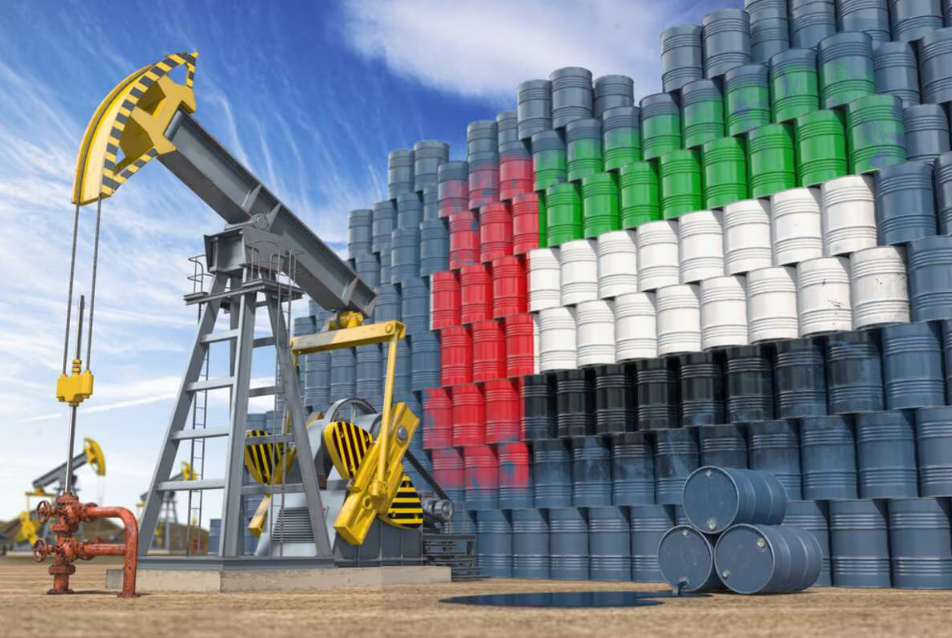
UAE’s diversified economy maintains strong growth in key sectors: OPEC report
The Organization of the Petroleum Exporting Countries (OPEC) United Arab Emirates (UAE) economy continues to exhibit significant growth, particularly in non-oil sectors such as real estate, tourism and manufacturing. The information was detailed in OPEC’s August 2024 Monthly Oil Market Report (MOMR), which underscored the UAE’s efforts to diversify its economy away from oil dependence.
Non-Oil Sector Growth and Inflation Trends
OPEC’s report highlighted that the UAE’s housing, water, electricity, gas and other fuel sectors, which account for more than 40 percent of the consumer price index (CPI), have experienced a slight increase in inflation. The sector’s year-on-year (YoY) inflation rate reached 6.7 percent in June 2024, up from 6.6 percent in May. The increase, though moderate, reflects rising costs in essential services, which continue to affect the broader economy.
Food and beverage inflation in the UAE remained relatively stable, rising to 2.4 percent in June 2024 from 2.3 percent in May. These figures suggest that despite some pressure on consumer prices, inflation is being managed effectively. within a restricted range.
International Economic Relations and Strategic Agreements
In addition to domestic economic growth, the UAE is actively developing its international economic relations. The UAE Central Bank recently signed currency swap agreements with Ethiopia, Seychelles and Indonesia. These agreements are designed to facilitate cross-border transactions and promote cooperation in payment systems, thereby strengthening the UAE’s financial ties with these countries and supporting its broader economic goals.
Also, the UAE finalized a Comprehensive Economic Partnership Agreement (CEPA) with Mauritius. The agreement aims to improve trade between the two countries by eliminating customs duties. CEPA is expected to significantly improve the UAE’s business and diplomatic relations in Africa, providing a gateway for increased trade and investment flows. The move is in line with the UAE’s strategic efforts to strengthen economic diversification, particularly in non-oil sectors.
Economic diversification and growth in non-oil sectors
The UAE’s strong economic policies and strategic international partnerships have positioned the country on its upward economic trajectory. According to OPEC’s report in June 2024, the UAE continued to demonstrate strong growth in its non-oil sectors, with the economy recording an expansion of 6.7 percent in the fourth quarter of 2023, up from 5.8 percent in the third quarter of the same year. The development is a testament to the success of the UAE’s diversification strategy, which seeks to reduce the country’s dependence on oil revenue by promoting growth in other sectors.
One of the main drivers of this growth is the manufacturing sector. The OPEC report cited data from S&P Global’s Purchasing Managers’ Index (PMI) for the UAE, which indicated continued expansion in the sector. This growth is attributed to a 51 percent increase in the issuance of new industrial licenses by 2023, reflecting the UAE’s commitment to expanding its manufacturing base and building a more resilient and diversified economy.
Diversification and Sustainable Growth
A mix of wise economic policies, clever foreign alliances, and focused investments in important non-oil industries are powering the UAE’s continuous economic development. To keep the nation’s economy moving forward, the government must continue to reduce inflation, promote growth in industries like real estate, tourism, and manufacturing, and increase foreign commerce.
The UAE is in a good position to maintain economic development and lessen its reliance on oil as long as it keeps implementing its diversification policy. According to the OPEC report, the UAE has made great strides in enlarging its non-oil sectors and enhancing the general economic stability of the nation.
These advancements are in line with the UAE’s overarching goal of becoming a preeminent worldwide economy capable of adjusting to a world that is changing quickly. The United Arab Emirates is well-positioned to sustain its economic expansion and attain sustained prosperity by persisting in prioritising diversification and international collaboration.