


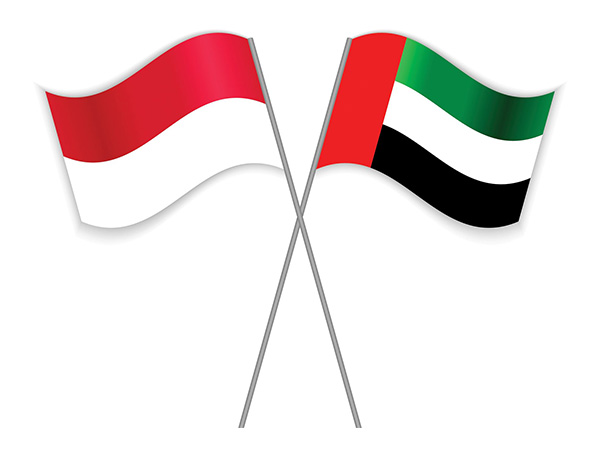
President Joko Widodo’s State Visit to the UAE Marks 47 Years of Cooperation
President Joko Widodo’s state visit to the UAE today marks a significant milestone in the enduring 47-year history of cooperation and friendship between Abu Dhabi and Jakarta. This visit signifies a renewed commitment to enhance bilateral relations across various domains.
Partnership Enhancement
During this diplomatic engagement, both nations aim to bolster their partnership in key sectors such as nuclear energy, investment, financial services, and other vital areas critical to their mutual development and strategic interests.
Historical Significance
The visit by the late Founding Father, Sheikh Zayed bin Sultan Al Nahyan, to Indonesia in May 1990 was a watershed moment that laid the groundwork for the strong bilateral ties that exist today. It exemplifies the deep historical connections and shared values between the UAE and Indonesia.
Extensive Cooperation Across Fields
H.H. Sheikh Abdullah bin Zayed Al Nahyan, Deputy Prime Minister and Minister of Foreign Affairs, underscored the comprehensive cooperation achieved over the past 47 years. This collaboration spans diverse sectors including energy, renewable energy technologies, tourism, aviation, agriculture, food security, infrastructure development, transportation, health, artificial intelligence, education, and cultural exchange. The breadth of cooperation underscores the robust nature of the bilateral relationship, enhancing mutual understanding and economic growth.
Multilateral Engagement
Emirati-Indonesian ties have significantly expanded within multilateral frameworks, including their partnership within the G20 during Indonesia’s presidency in 2022 and India’s presidency in 2023. This collaboration extends to supporting global initiatives such as the G20 Pandemic Fund, demonstrating shared responsibility in addressing global challenges and fostering international cooperation.
Economic Integration
Bilateral trade between the UAE and Indonesia has exceeded AED 100 billion over the past decade, highlighting the vibrant economic partnership. Non-oil trade between the two countries reached approximately AED 101.91 billion from 2014 to 2023, reflecting sustained growth and diversified trade relations. The Comprehensive Economic Partnership Agreement (CEPA), ratified between the UAE and Indonesia, has been pivotal in boosting economic ties, with trade values surpassing AED 16 billion in 2023 alone, marking a notable increase from previous years. CEPA’s implementation is expected to further elevate non-oil trade to more than US$10 billion within the next five years, facilitating tariff reductions and creating new opportunities for businesses and exporters from both nations.
Environmental Commitment
The Mohamed bin Zayed-Joko Widodo International Mangrove Research Centre exemplifies the UAE’s commitment to environmental sustainability through a joint initiative with Indonesia. With a dedicated investment of $10 million, this centre focuses on preserving mangrove ecosystems, recognized globally as crucial in combating climate change and protecting coastal areas. This initiative underscores the UAE’s proactive role in environmental stewardship and strengthens bilateral ties with Indonesia in environmental conservation efforts.
Promoting Tolerance and Coexistence
Both the UAE and Indonesia serve as global exemplars of tolerance and coexistence. Indonesia’s success in promoting tolerance within its diverse society, comprising over 17,000 islands and a multitude of ethnicities and languages, is integral to its socio-cultural fabric and national development. Similarly, the UAE promotes its rich heritage of tolerance and coexistence on the global stage, enhancing mutual understanding and fostering peaceful coexistence among diverse communities worldwide.
The ongoing collaboration between the UAE and Indonesia across these multifaceted dimensions underscores a robust and dynamic partnership. This relationship not only advances shared interests and economic prosperity but also contributes significantly to global stability and sustainable development. As both nations continue to strengthen their bonds through strategic engagements and joint initiatives, they set a compelling example of effective international cooperation and mutual respect on the global stage.