


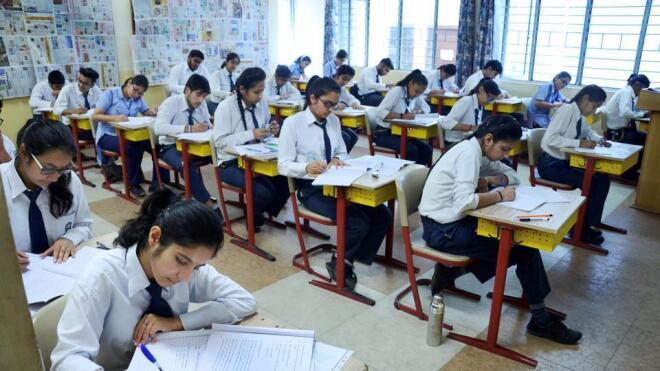
In anticipation of the upcoming Ramadan, the majority of educational institutions in the UAE are strategically planning to conclude their internal examinations before the commencement of this sacred month. While the exact dates of Ramadan may slightly vary based on local moon sightings, the holy month is expected to begin on March 12 this year.
A key focus for headteachers is to ensure that students have ample time for familial commitments and prayer during Ramadan, rather than being engrossed in intensive study sessions. This strategic approach underscores the recognition of the significance of this religious period and the commitment to supporting students during a time that holds personal and spiritual challenges.
One notable strategy employed by educational leaders is the deliberate scheduling of mock examinations for specific student cohorts, such as those in Year 11, 12, and 13, to avoid any overlap with Ramadan. This meticulous planning aims to alleviate additional pressure on students during this spiritually significant time.
Principals and educational authorities are unified in their understanding of the importance of Ramadan within the context of Muslim families and the individual struggles that may accompany it. Their collective commitment is to ensure that unnecessary stress or barriers are not imposed on students during this vital period.
A consistent theme among educational leaders is the endeavor to minimize assessments and keep them low-stakes during Ramadan. The emphasis is not only on reducing academic burdens but also on fostering an environment that is conducive to the spiritual and familial aspects of Ramadan. In-class assessments are strategically conducted with reduced durations and a focused approach on specific topics to mitigate any unnecessary anxiety for students.
As the school holidays align with the Ramadan period, international curricula schools are planning a substantial 10-day spring break. However, for Indian curriculum schools currently undergoing internal and CBSE Board examinations, holidays are scheduled post-examinations.
Leadership within educational institutions is cognizant of the need for flexibility during Ramadan. Examinations conducted during this period are scheduled to align with abbreviated working hours, a common practice observed during the month, ensuring minimal disruption to the students’ routines.
In a unique circumstance this year, Ramadan coincides closely with the conclusion of the academic year, impacting the post-exam vacation period and academic planning. Despite these intricacies, educational leaders are resolute in their commitment to managing the academic calendar with sensitivity to the cultural and religious significance of Ramadan.