


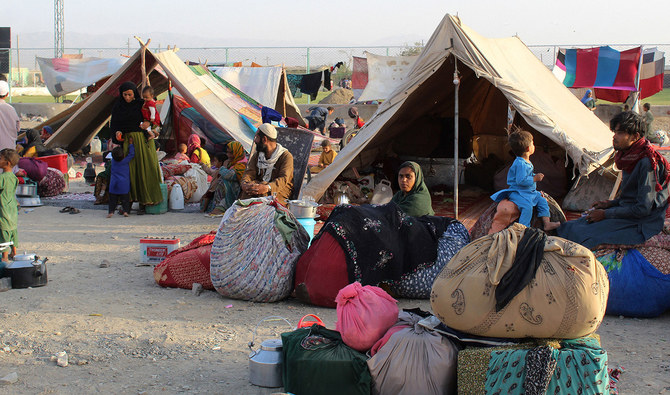
Pakistan has decided to extend the deadline for the deportation of Afghan nationals, providing relief amidst concerns over potential human rights challenges. The initial deadline of December 31, 2023, has been extended to February 29, 2024, offering Afghan migrants more time to navigate the complexities of their relocation.
The decision to extend the deportation deadline reflects a pragmatic approach by the Pakistani government, recognizing the challenges faced by Afghan nationals amid a complex geopolitical landscape.
Caretaker Minister for Information Murtaza Solangi announced a noteworthy reduction in the processing fee for Afghan nationals, acknowledging the financial constraints many migrants face. The fee has been lowered from USD 800 to USD 400.
While the extension provides additional time, the government has introduced a system of fines for those who overstay beyond the new deadline. Afghan nationals remaining in Pakistan after February 29, 2024, will incur a monthly fine of USD 100 for up to eight months.
The United Nations Human Rights Office had previously raised concerns about the potential human rights violations associated with forced deportations. The decision to extend the deadline aligns with international calls to consider the rights and well-being of affected individuals.
The situation underscores the delicate balance that countries must strike between enforcing border controls and addressing humanitarian imperatives. The extension aims to provide a more measured and humane approach to the deportation process.
The United Nations experts have emphasized the need for protective measures for Afghan nationals facing deportation. The ongoing dialogue between nations and international organizations becomes crucial in ensuring a comprehensive and coordinated approach.
Pakistan’s decision to extend the deportation deadline and reduce processing fees demonstrates a responsiveness to the evolving dynamics surrounding Afghan migrants. As the international community closely watches these developments, the focus remains on fostering a collaborative approach that safeguards human rights while addressing the complex challenges associated with migration and geopolitical shifts.