


Introduction
In the world of beverages, few drinks have gained as much popularity in recent years as boba tea, also known as bubble tea. This refreshing drink, originating from Taiwan, has captured the hearts of many with its unique blend of flavors, textures, and fun. At its core, Boba Tea is a tea-based drink that is filled with chewy Tapioca Pearls are known as boba, and is often flavored with fruit syrup, milk, or other flavors. Among the myriad of flavors available, Strawberry Boba stands out for its sweet and tangy taste, making it a favorite among boba enthusiasts. In this essay, we will delve into the world of boba tea, explore how to make strawberry boba, discuss available flavors, touch upon the health benefits, and examine the nutritional value of this beloved drink.
What is Boba Tea/Bubble Tea?
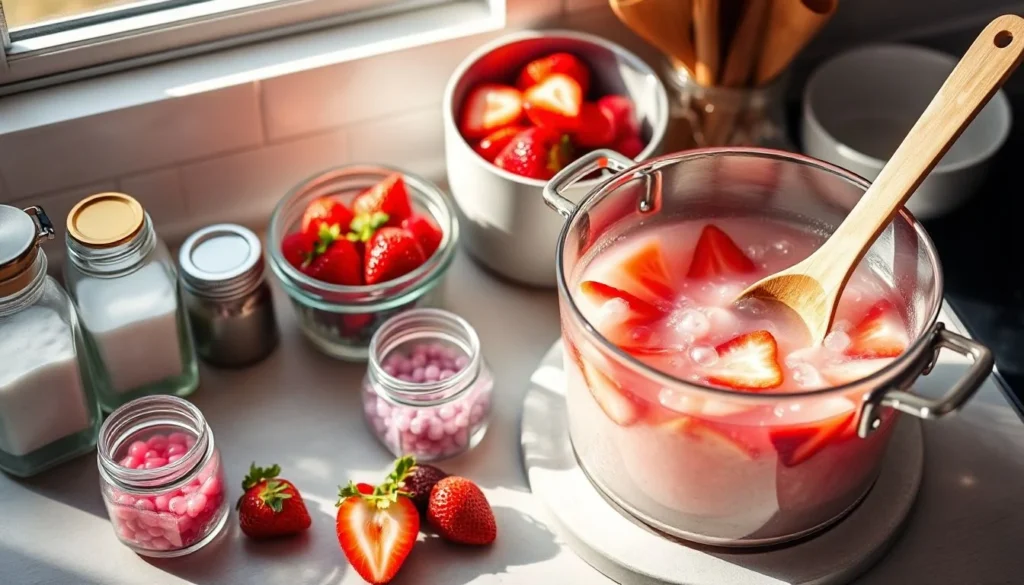
To begin with, making Boba Tea is an art that requires a bit of practice but is ultimately rewarding. The process starts with brewing a strong tea, which can range from black, green, or oolong tea, depending on personal preference. While the tea is brewing, one can prepare the boba by boiling them in water until they float to the surface, indicating they are cooked. For Strawberry Boba, one would then mix the brewed tea with strawberry syrup or fresh strawberries blended into a puree, adding sweetness and flavor to the tea. The final step involves combining the tea mixture with milk (dairy or non-dairy) and adding the cooked boba to the drink. This simple yet intricate process allows for a wide range of customization, making each cup of strawberry boba unique.
Available Flavors
The world of boba tea is incredibly diverse, with a plethora of flavors available to cater to every palate. From fruity flavors like Mango, Passionfruit, Banana, and Strawberry, to creamy flavors such as Chocolate, Vanilla and Caramel, the options are endless. For those who prefer a bit of zing, citrus flavors like Lemon and Orange are also popular. The beauty of boba tea lies in its versatility, allowing consumers to experiment with different combinations of tea, flavorings, and toppings to create their perfect cup.
Health Benefits
Beyond its delightful taste, boba tea also offers several health benefits. The tea base of the drink is rich in antioxidants, which can help protect the body against free radicals and reduce the risk of certain diseases. Additionally, many boba shops now offer healthier alternatives to traditional sugar syrups, such as honey or natural fruit purees, reducing the calorie intake of the drink. However, it’s worth noting that boba itself is primarily made of tapioca starch and does not offer significant nutritional value. Nonetheless, when consumed in moderation, boba tea can be a fun and relatively healthy beverage option.
Nutrition in Boba Tea
In terms of nutrition, a typical cup of strawberry boba tea can vary greatly in its calorie and sugar content, depending on the type of milk used, the amount of syrup added, and the size of the drink. On average, a cup of boba tea can range from 200 to 400 calories, with a significant portion of those calories coming from sugar. Despite this, boba tea can be a nutritious choice if one opts for lower-sugar options and uses non-dairy milk alternatives, which are often lower in calories and fat compared to traditional dairy milk.
Conclusion
In conclusion, making strawberry boba is a fun and easy process that allows for endless creativity and customization. With its rich flavors, potential health benefits, and versatility, it’s no wonder boba tea has become a global phenomenon. Whether you’re a long-time fan of boba or just discovering its delights, strawberry boba is a must-try flavor that combines the sweetness of strawberries with the unique texture of boba. As we continue to explore the world of Boba Tea, it’s clear that this drink is more than just a fad; it’s a cultural phenomenon that brings people together and offers a moment of joy in every cup. So, go ahead, give strawberry boba a try, and experience the delightful world of flavors and fun that boba tea has to offer.