


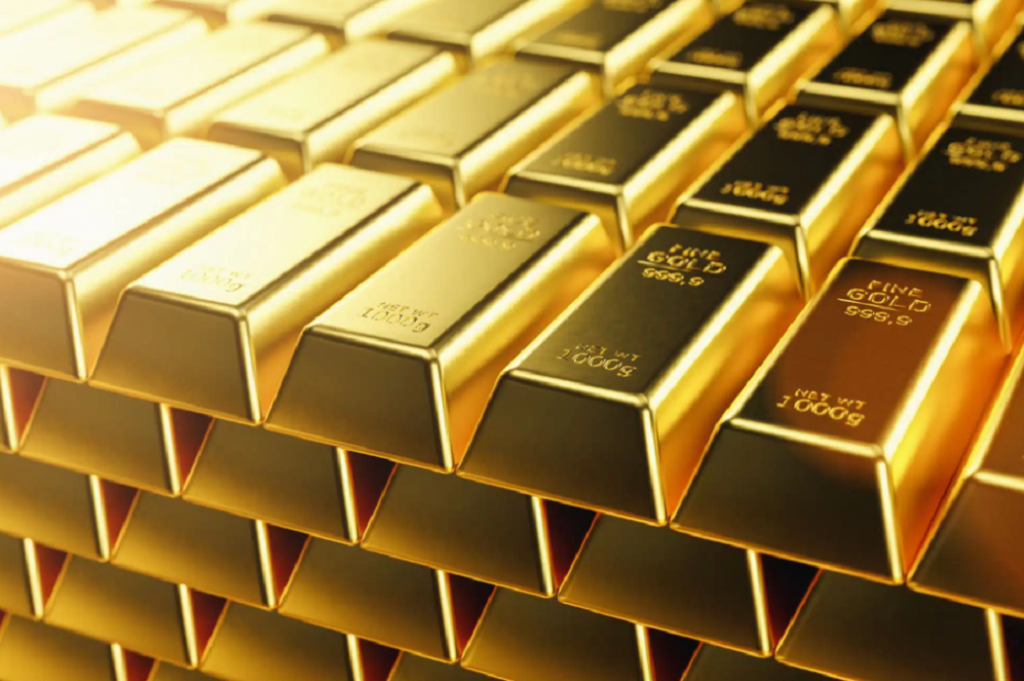
Gold Prices Surge Amid Diwali Demand: Resilience Despite Economic Challenges
Despite prices hitting all-time highs, gold is still a market gem. Gold prices have risen 24% this year, but despite persistent economic uncertainty, buyer interest is still strong, according to a Religare research.
This season, especially during Diwali, families across India continue to invest in gold jewelry, coins, and bars, viewing them as symbols of wealth and prosperity.
Economic Aspects Affecting the Demand for Gold
The custom of purchasing gold at festivals is made more complicated by the backdrop of global economic factors and shifting gold prices. One major factor contributing to gold’s ongoing attractiveness is geopolitical instability. In the Asia-Pacific area, ongoing conflicts—most notably the Israel-Hamas war—have increased tensions and caused supply chain disruptions, which have worsened inflationary pressures.
Changes in Currency and the Allure of Gold
In relation to the US dollar, the Indian rupee just fell below the 84-mark, setting a new low. The appeal of gold is increased by this devaluation, particularly as rising oil prices and capital flight from stocks are caused by geopolitical concerns. The demand for gold as a hedge against inflation and currency devaluation has been highlighted by the Reserve Bank of India’s (RBI) facilitation of a controlled rupee depreciation.
Central Bank Purchases and Global Demand
Central banks globally have significantly boosted gold demand in 2024. The World Gold Council reported an increase of 290 metric tons in global reserves during the first quarter, marking the largest quarterly rise in over two decades. The People’s Bank of China has been a notable purchaser, adding to its reserves for five consecutive months, while the Reserve Bank of India ranks among the top buyers in the second quarter of 2024. This trend reflects a broader strategy by central banks to diversify portfolios amid global instability, sustaining gold’s position as a high-value asset.
Interest rates’ impact on gold prices
Gold has continued to rise as a result of the Federal Reserve’s recent 50 basis point rate drop, the first since 2020. Lower interest rates draw interest from both individual and institutional investors by lowering the opportunity cost of keeping non-yielding assets like gold. Gold is still a popular inflation hedge and is anticipated to continue to see high demand as the Federal Reserve signals possible additional rate cuts in the upcoming years, even if US inflation has eased to its lowest levels since February 2021.
Current Market Trends and Future Projections
In 2024, gold has rallied impressively, achieving a 24% return on domestic exchanges. Current prices are nearing resistance levels of Rs. 79,800 per 10 grams (approximately USD 2,800 per ounce). Technical indicators suggest an overbought condition, indicating a possible short-term correction. Analysts predict that prices could retreat to around Rs. 76,700 per 10 grams (USD 2,675 per ounce) before resuming upward momentum.
Traders are advised to look for buying opportunities at Rs. 76,500 per 10 grams, with price targets set at Rs. 83,000 and potentially reaching Rs. 86,000 per 10 grams. However, a drop below Rs. 72,300 per 10 grams could indicate a bearish trend, with prices potentially declining to Rs. 70,000 per 10 grams if this critical level is breached.
As gold continues to glitter despite high prices, its enduring value during Diwali reflects both cultural significance and strategic investment. With a combination of geopolitical factors, currency fluctuations, and central bank activities shaping the market, gold remains a vital asset in uncertain economic times.