


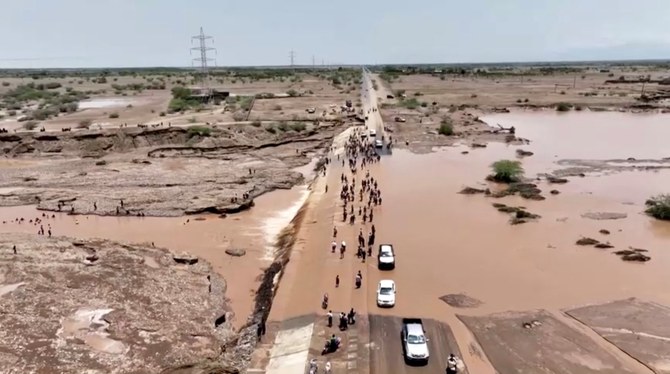
Flooding in Yemen Leaves 30 Dead and Hundreds Displaced Amid Severe Seasonal Rains
SANAA: A devastating series of floods has struck Yemen, leaving 30 people dead and displacing hundreds more, as heavy rains have pounded the region over several days. The flooding, which has been particularly severe in the southern city of Hodeidah, was confirmed by Hodeidah Governor Mugammad Qahim in a statement to Houthi rebel-controlled Masirah TV. Qahim reported that the floods have forced residents from 500 homes, with five individuals currently missing. This disaster is the latest in a series of crises affecting the war-torn country.
Widespread Impact Across Multiple Regions
The floods have not been confined to Hodeidah. The southwestern city of Taiz and the northwestern city of Hajjah have also been heavily impacted. These areas, along with Hodeidah, are experiencing the harsh effects of Yemen’s ongoing rainy season, which begins in late March and typically intensifies from July through mid-August. The seasonal rains have brought torrential downpours that have overwhelmed the region’s inadequate infrastructure, leading to widespread devastation.
The poorly constructed homes in these cities have been no match for the relentless rains. Many buildings have been completely submerged, and entire communities have been washed away. The humanitarian office of the United Nations in Yemen reported that Friday’s floods in the Maqbnah district of Taiz resulted in 15 deaths and caused significant damage to agricultural lands, homes, and critical infrastructure. With severe weather expected to continue, there are fears that the situation could worsen.
Residents Trapped and Isolated
In Hodeidah, the situation remains dire. Residents in the Al-Mansuriyah district have been trapped in their homes since Tuesday night due to blocked roadways. Despite the severity of the crisis, local authorities have been slow to respond, leaving many of the most affected areas inaccessible. Witnesses have described scenes of chaos and desperation as people struggle to survive. Mahdi Al-Mashat, chairman of the Supreme Political Council, has called for urgent action to address the extensive damage caused by the floods, which have devastated properties, lands, and roads in the region.
The Yemeni Tihamah coastal plain, in particular, has been hit hard. Eyewitnesses have reported scenes of destruction and despair. Mohamed Rassam, a local resident, described how livestock have drowned in the mud, and essential food supplies and drinkable water have been lost. “The floods swept away everything,” Rassam lamented, highlighting the totality of the devastation.
A Community in Crisis
The plight of the residents in Tihamah is a stark reminder of the extreme hardships faced by many Yemenis. Ahmed Ayesh, another local resident, recounted how his home was damaged by severe winds, leaving him and his seven children stranded without any assistance. The family, like many others, has been left to fend for themselves in the face of overwhelming odds. Khaled Meswat, another resident, expressed frustration with the lack of support, noting that while the community often hears about humanitarian aid, it rarely receives any. Meswat reported that at least three people were swept away by the floods, and that elderly individuals have died from hunger and cold.
Faree Hamdan added to the grim picture, stating that hundreds of homes built from straw have been swept away by the floods in Tihamah, along with cattle and livestock. The loss of these animals, which are a critical source of livelihood for many, has compounded the crisis.
A Call for International Aid
The United Nations Population Fund-Yemen has reported that the floods have affected more than 28,000 people across four districts in Hajjah city alone. The agency’s rapid response teams have been conducting assessments and response operations, identifying approximately 4,112 families in urgent need of emergency relief. However, with the scale of the disaster continuing to grow, there are serious concerns about whether these efforts will be sufficient to meet the needs of those affected.
Yemen’s ongoing civil war has exacerbated the situation, making it difficult for aid agencies to operate effectively in the country. The conflict began in 2014 when the Houthis seized control of the capital, Sanaa, and much of northern Yemen, forcing the internationally recognized government into exile. In response, a Saudi-led coalition, including the United Arab Emirates, intervened in 2015 in an attempt to restore the government to power. The war has devastated Yemen’s infrastructure, leaving millions of people in desperate need of assistance.
A Humanitarian Disaster
The floods have added another layer of suffering to a country already grappling with one of the world’s worst humanitarian crises. With the rainy season expected to continue for several more weeks, the situation is likely to deteriorate further. The international community has been urged to step up its support for Yemen, with aid organizations calling for increased funding and resources to help those affected by the floods.
As the people of Yemen struggle to cope with the aftermath of this disaster, the need for a comprehensive and sustained humanitarian response has never been more urgent. The floods have not only claimed lives and displaced families but have also highlighted the fragility of Yemen’s infrastructure and the dire consequences of years of conflict and neglect. Without immediate and effective intervention, the toll on Yemen’s population will only continue to rise.