


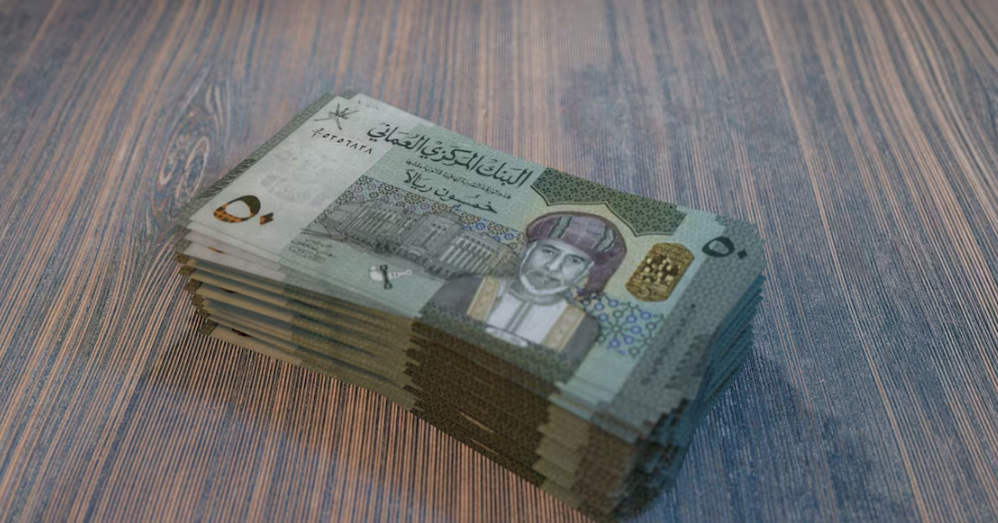
The Central Bank of Oman (CBO) has recently issued a circular announcing the discontinuation of certain categories of the national currency, leading to their withdrawal from circulation within a maximum period of 360 days. This significant decision by the CBO is expected to have a substantial impact on the currency landscape in the country.
The banknotes slated for withdrawal encompass several key issues spanning different years. Among these are the banknotes from the fifth issue of 1995, representing a pivotal era in Oman’s financial history. Additionally, banknotes from the modified issue of 2000 are included in the list of notes to be phased out. The circular also highlights the withdrawal of the banknote denominated at RO1 (commemorative 2005) and the RO20 banknote (commemorative 2010), both of which hold historical and commemorative significance.
Furthermore, the amended issues of 2011 and 2012, featuring various denominations, are part of the withdrawal process. Notably, the circular includes the RO1 banknote (Commemorative 2015) in the list of banknotes to be discontinued. The modified RO50 banknote of 2019 completes the ensemble of currency facing withdrawal.
This decision by the CBO is rooted in the need for currency modernization, aligning with international best practices and security standards. The move aims to streamline the national currency, ensuring it remains robust and secure in the face of evolving financial landscapes. The circular emphasizes the need for the public to be aware of the stipulated timeframe for exchanging these banknotes before they become invalid.
The Central Bank of Oman is anticipated to provide comprehensive guidelines and procedures for the exchange process, facilitating a smooth transition for individuals and businesses. This move underscores the commitment of the CBO to maintaining the integrity of the national currency and adapting to contemporary financial practices for the benefit of Oman’s economic ecosystem.