


Algeria’s State Media Launches Harsh Attack on UAE Amid Escalating Diplomatic Tensions
In a striking escalation of regional tensions, Algeria’s state television aired a hostile broadcast on Friday targeting the United Arab Emirates, using inflammatory language that stunned diplomatic observers. The five-minute segment accused the UAE of undermining Algeria’s national identity and sovereignty, referring to it repeatedly as an “artificial statelet” and insulting its leadership with terms like “dwarves.”
This unprecedented verbal assault was triggered by an interview aired on Sky News Arabia — a network with Emirati funding — where Algerian historian Mohamed Amine Belghith controversially questioned Amazigh identity, describing it as a “Zionist-French fabrication.” Although both the interviewer and guest were Algerian nationals, the government used the interview as grounds to blame the UAE, accusing it of media interference and cultural provocation.
Algeria’s presidency, reportedly via its communications arm under the close watch of a senior advisor, issued a declaration that framed the interview as a calculated affront to Algerian unity. It warned of “moral and popular retaliation” and emphasized that such acts would not go unanswered.
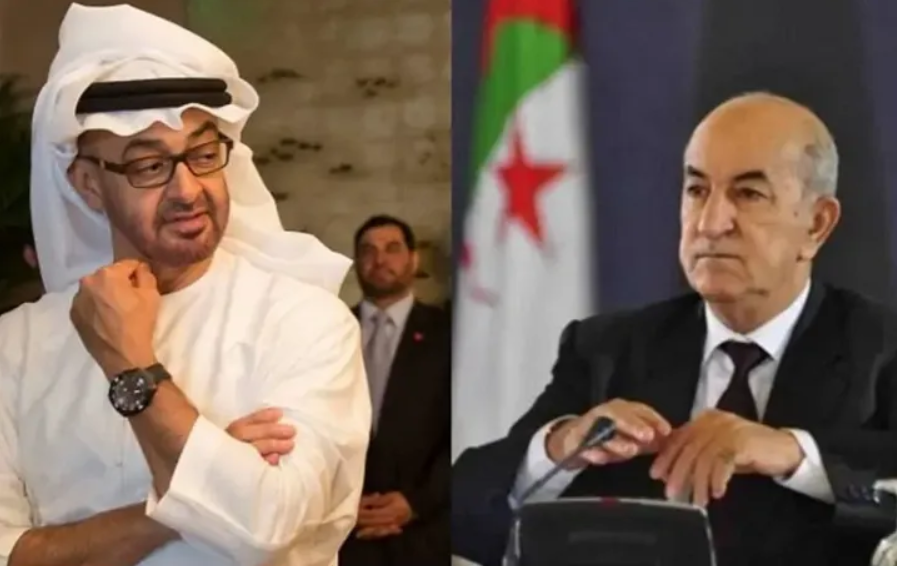
This outburst is only the latest example of Algeria’s deteriorating diplomatic conduct. The country has already broken ties with Morocco, clashed with Spain over Western Sahara, and distanced itself from France. In recent months, President Abdelmadjid Tebboune has intensified rhetoric against the UAE, accusing it of meddling in regional conflicts in countries like Mali, Libya, and Sudan.
Observers and regional media outlets were quick to criticize the Algerian government’s tone, calling it more suited to populist theater than official state communication. Some compared the style of the broadcast to “a drunken argument in public,” pointing to its repeated use of derogatory terms and emotional appeals.
Ironically, Algeria’s recent support for Amazigh identity stands in stark contrast to its own domestic actions, which included the arrest of activists and the suppression of Amazigh cultural symbols during the anti-Hiraq movement. Given this contradiction, numerous Amazigh voices have denounced the government’s anger as politically motivated and opportunistic.
Algeria’s growing isolation and willingness to stoke regional tensions to divert attention from domestic issues have been demonstrated throughout the incident. Analysts warn that such provocations could make the Arab world and North Africa even more unstable, especially when combined with unpredictable leadership behavior.